
Most Deck Regret Starts After It’s Built
Very few people regret building a deck, but many regret what they built it with. At first, everything feels right. The layout works, the space looks clean, and the project feels complete. Over time, that changes. The surface begins to fade, wear shows up, and maintenance becomes part of ownership. That is usually when second guessing starts.
The Decision That Actually Matters
Most deck conversations focus on size, layout, and features, but those are not what determine long term satisfaction. The surface material does. It is what people see every day, what they walk on, and what they maintain over time. Once installed, it is also the hardest part of the deck to change.
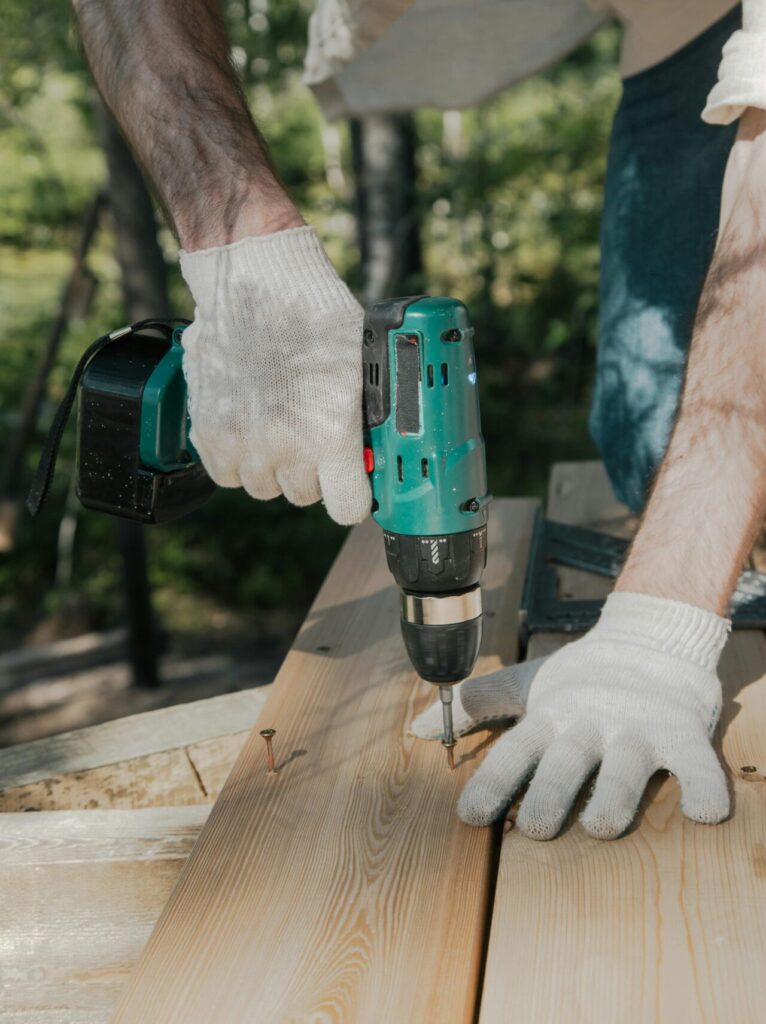
Industry data shows that wood decks require ongoing sealing, staining, and periodic board replacement as part of normal use. The North American Deck and Railing Association has consistently pointed out that maintenance is one of the most overlooked factors in long term deck stability. That is not a flaw in the material. It is simply how those systems perform.
Why Regret Happens
Regret usually comes from a mismatch between expectations and performance. Many people expect a deck to behave like a patio. They want a surface that feels solid, looks consistent over time, and does not require ongoing upkeep. Most decks are not built to deliver that experience.
Wood and composite decking are designed to work with framing. They install efficiently and solve the structural challenge of elevation. What they do not do is replicate the permanence of stone or masonry. When the expectation is permanence but the material is not built for it, frustration follows.

Thinking About the Deck Differently
A more useful approach is to separate structure from surface. The structure solves elevation, while the surface defines how the space feels and performs over time. When those decisions are bundled together, the project usually defaults to the easiest material to install over framing.
When they are separated, better options become available. Instead of asking what boards go on top of the framing, the question becomes what kind of surface the space should actually have. That shift leads to different outcomes.
Choosing a Surface That Matches the Goal
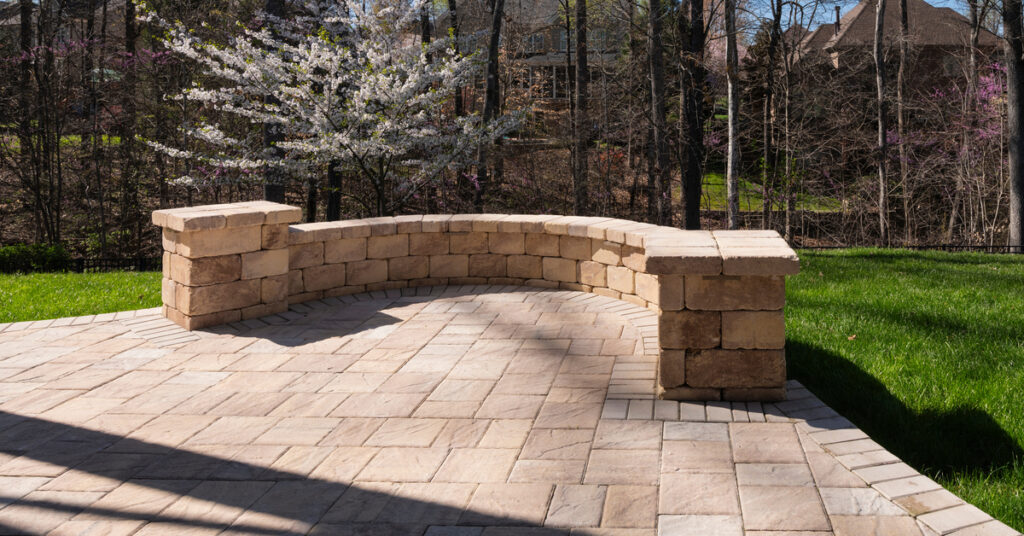
If the goal is a low maintenance, long lasting outdoor space that feels consistent with the rest of the home, the surface needs to reflect that. Materials like stone and porcelain provide a more solid feel underfoot, resist wear, and align more closely with how people expect permanent outdoor surfaces to perform.
Traditionally, achieving that meant building a concrete slab or full masonry structure. Those systems still make sense in many applications and remain the right solution in the right conditions. For elevated decks built on framing, there are now ways to support those same surface materials without requiring a structural slab. This allows the project to keep the efficiency of deck framing while changing the performance of the finished surface.
Avoiding the Most Common Mistake
The most common mistake is treating the deck surface as a short term decision. It is not. The surface determines how the space looks in five years, how much maintenance it requires, and whether the space continues to feel like an asset or starts to feel like a project.
Changing the structure later is unlikely. Changing the surface is possible, but often expensive and disruptive. Making the right decision early avoids that cycle and leads to a better long term outcome.
Let’s Talk About Your Project
If you are planning a new deck or thinking about replacing an existing one, it is worth taking a closer look at the surface decision before moving forward.
We offer free consultations to help you evaluate options, understand how different systems perform, and determine what makes sense based on your goals and structure. Visit our contact page and reach out anytime. We are ready to help you build a deck you will feel good about for the long term.