Trends Fade Faster Than Good Design
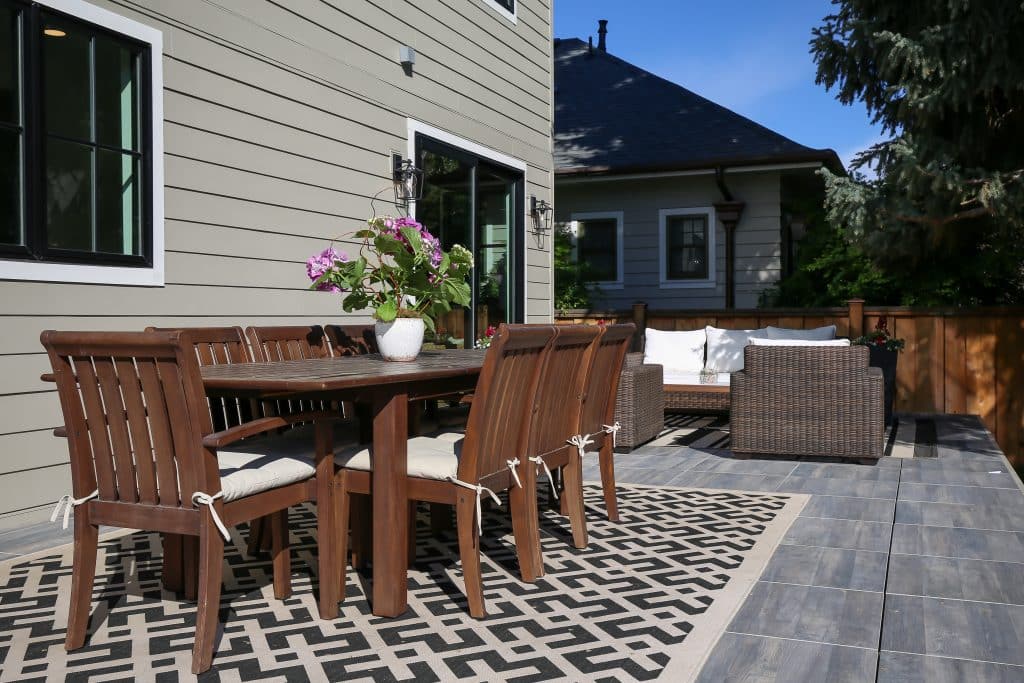
A lot of outdoor spaces are built around what looks good right now. The furniture follows trends, the colors follow trends, and sometimes even the materials follow trends. At first, everything feels fresh and exciting. A few years later, the space starts to feel dated or worn down, and homeowners begin thinking about what they would change.
The best outdoor spaces usually avoid that cycle. They are built around comfort, durability, and materials that still feel right long after the project is finished.
The Outdoor Space Is Part of the Home Now
Outdoor living has changed dramatically over the last decade. Decks are no longer treated as simple platforms attached to the back of the house. They have become dining areas, gathering spaces, outdoor kitchens, quiet morning retreats, and extensions of the home itself.
According to research from the American Institute of Architects, demand for outdoor living features has remained consistently strong as homeowners continue prioritizing functional exterior spaces that support everyday living.
That shift changes the way outdoor spaces should be designed. If the space is going to be used constantly, the materials matter more than ever.
The Surface Impacts the Entire Experience
Most people focus on layout first. They think about furniture placement, grills, fire features, lighting, and seating areas. Those decisions matter, but the surface underneath everything else shapes how the space feels every single day.
Some surfaces feel temporary. Others feel permanent.
Wood decking remains popular for many projects and continues to be a practical solution in the right applications. Composite materials have also improved significantly over the years. Still, many homeowners eventually realize they want something that feels more substantial underfoot and more connected to the overall architecture of the home.
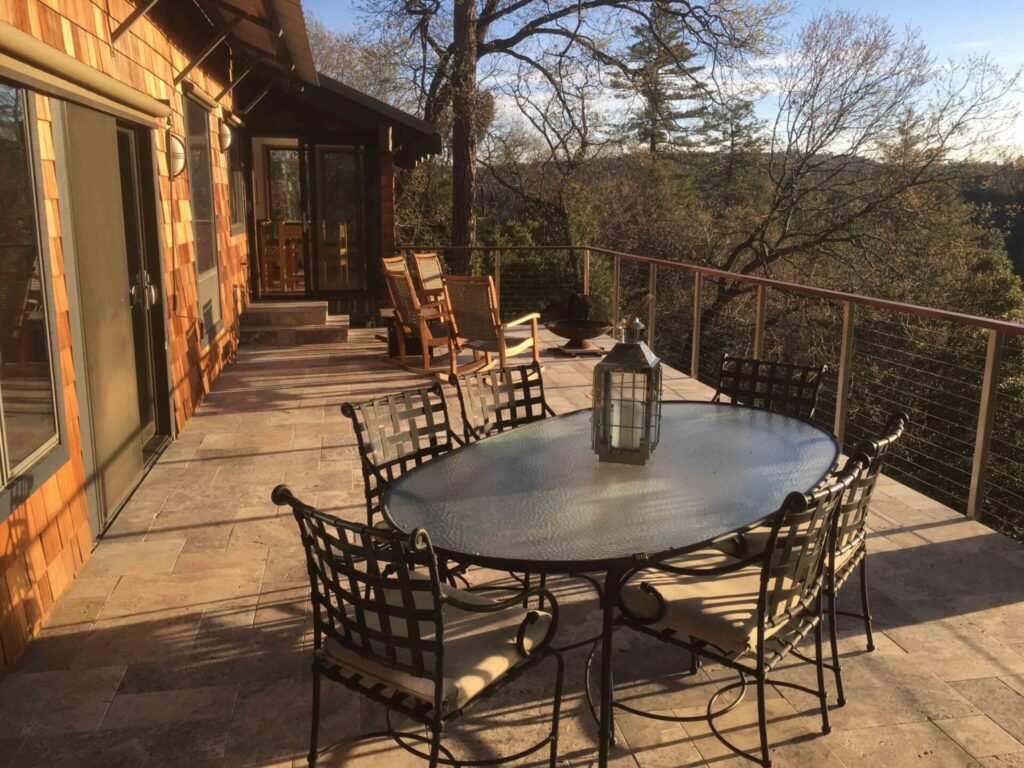
That is one reason stone surfaces continue to stand apart. They feel grounded, durable, and timeless in a way that many traditional deck surfaces do not.
Thinking Beyond the First Few Years
The real test of an outdoor space is not how it looks right after construction. The real test is how it performs after years of weather, use, maintenance, and changing lifestyles.
A well designed outdoor living space should still feel inviting years later. It should still match the home. It should still feel like a place people want to spend time. That requires thinking long term from the beginning. Materials that age gracefully tend to create fewer regrets later.
Traditionally, achieving a true stone surface on an elevated deck meant building a concrete slab or masonry structure. Those systems continue to make sense in many applications and remain the right choice for many projects. Today, there are also ways to bring stone surfaces onto framed deck structures without requiring a poured slab, giving homeowners more flexibility in how elevated outdoor spaces are designed.
Designing for the Way People Actually Live
The most successful outdoor spaces are usually the ones people use naturally. They are comfortable enough for everyday life but durable enough for entertaining, family gatherings, and constant use over time.
That is why long term thinking matters so much during the design phase. Choosing the right materials early often determines whether the space still feels special ten years later or whether it starts feeling like another project that needs attention.
Outdoor living spaces are no longer secondary parts of the home. In many cases, they become the spaces people enjoy most.
Let’s Talk About Your Project
If you are planning a new outdoor living space and want to create something that will still feel timeless years from now, we would be happy to help.
We offer free consultations to discuss materials, structural options, and design approaches for elevated outdoor spaces. Visit our contact page and reach out anytime. Our team is ready to help you build an outdoor space designed for the long term.