
It Only Looks Better For a Little While
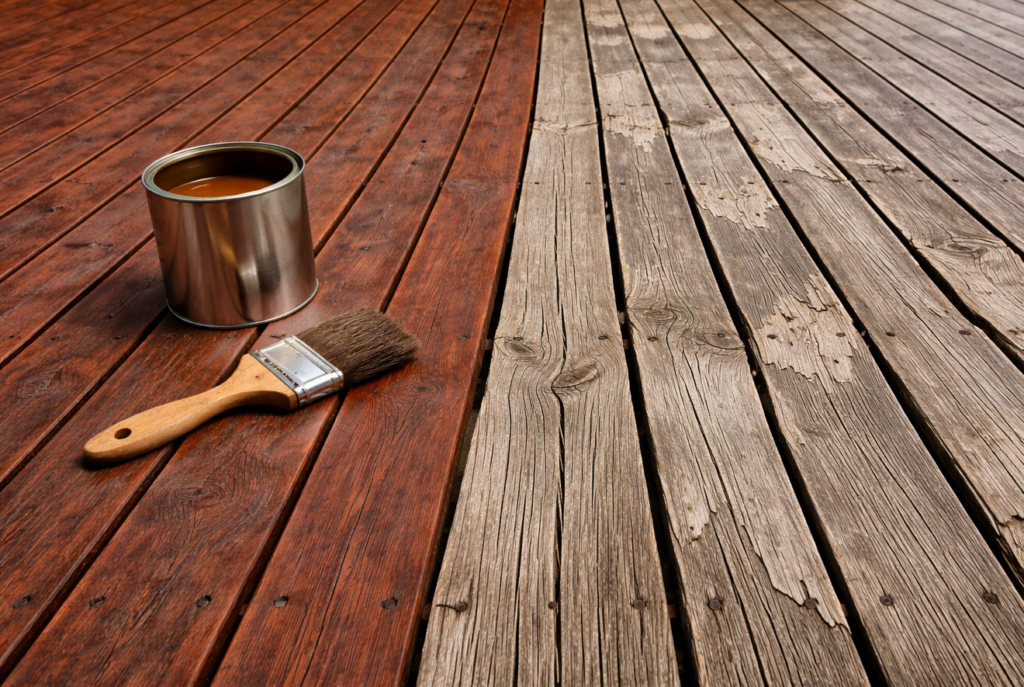
Refinishing a deck usually starts with high expectations. You clean it, sand it, apply a fresh coat of stain or paint, and at first glance it looks better. But the next day, you realize that just because it looked better than before doesn’t mean it looks as good as new.
Within a season or two, even that improvement might be outpaced by the same old issues. The color fades, the surface wears, and the deck starts to feel old despite your best efforts.
The Problem Isn’t the Finish, It’s the Boards
The reason refinishing doesn’t hold is that it only addresses the surface coating, not the condition of the boards themselves. By the time most decks are refinished, the wood has already gone through years of expansion, contraction, moisture exposure, and sun damage.
Those cycles break down the wood fibers over time. Even after sanding, the boards are still aged internally. Small cracks, rough grain, and weakened structure remain beneath the new stain or paint. The finish can improve appearance temporarily, but it cannot restore the integrity of the material.
Weather Starts Breaking It Down Again Immediately
Once a deck is refinished, it goes right back into the same environment that caused the damage in the first place. Sun exposure fades color. Rain and moisture work into small imperfections. Temperature changes cause the boards to expand and contract again.
According to the U.S. Forest Service, exterior wood exposed to sunlight and moisture undergoes continuous degradation as ultraviolet radiation and water break down the wood surface over time. This process does not reset when you refinish the deck. It simply continues from where it left off.
That is why even a well-done refinishing job begins to wear down relatively quickly.
Paint and Stain Can Only Do So Much
Stain and paint act as protective layers, but they are not permanent solutions. Stain penetrates the wood but fades with UV exposure, while paint sits on top of the surface and can eventually peel as the wood underneath moves.
As the boards continue to shift and age, coatings begin to fail. You may notice peeling, flaking, or uneven wear, especially in high-traffic areas. Once that happens, the only option is to repeat the process again.
Over time, refinishing becomes less about improving the deck and more about keeping it from looking worse.
When Refinishing Stops Making Sense
If a deck still looks old shortly after refinishing, it is usually a sign that the boards themselves have reached the end of their useful life. At that point, applying another coat of stain or paint will not change the long-term outcome.
Instead of continuing the cycle, many homeowners begin to consider replacing the surface entirely. This is where the decision shifts from maintenance to upgrade.
A Better Way to Replace the Surface
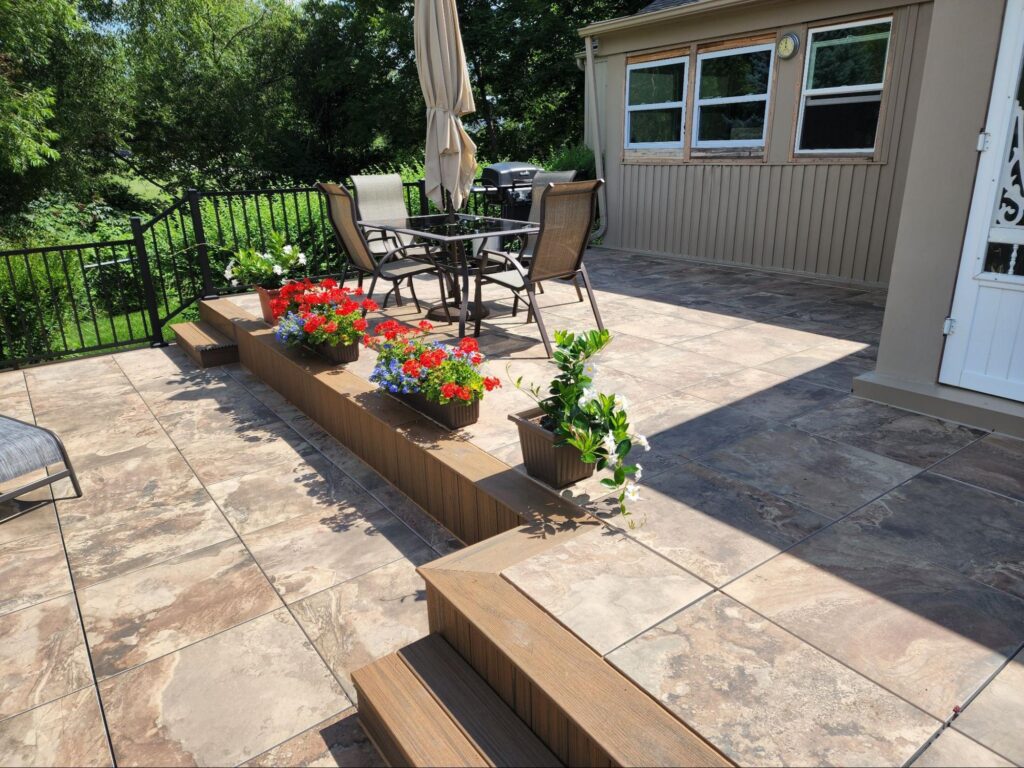
Rather than installing new wood boards and restarting the same maintenance cycle, some homeowners are choosing to upgrade the surface altogether. StoneDeks allows real stone, porcelain, or pavers to be installed over deck framing, replacing aging wood boards with a surface designed for durability.
This approach eliminates many of the issues that lead to constant refinishing. There are no splinters, no peeling paint, and no need for repeated staining. The surface holds its appearance over time and requires far less ongoing maintenance.
For homeowners frustrated by a deck that never seems to stay looking good, upgrading the surface can provide a long-term solution instead of a temporary fix.
Ready for a Surface That Actually Lasts?
If your deck still looks worn even after refinishing, it may be time to move beyond maintenance and consider a more permanent upgrade. Our team works with homeowners and contractors to determine whether StoneDeks is the right solution for their project.
Visit our contact page to get in touch. We’re ready to answer your questions, review your situation, and help you find a better path forward.