
What Most People Assume About Gravel Bases
Compacted gravel is widely used as the foundation for patios, walkways, and other ground level stone surfaces. It is often presented as a reliable and time tested method for creating a stable base.
At first, it performs well. The surface looks level, drainage appears to work, and everything feels solid underfoot. For many homeowners, that early performance creates the assumption that the job is finished for the long term.
That assumption is where problems begin.
What Compaction Actually Does
Compaction improves density and reduces air pockets in the base material. This helps create initial stability and allows the surface above to sit more evenly.
However, compaction does not change the nature of what is underneath. The gravel is still a loose aggregate layer sitting on soil that responds to moisture, temperature, and time.
As conditions change, so does the ground below. Water moves through the base. Fine particles shift. Freeze and thaw cycles create pressure that lifts and settles different areas unevenly.
According to the Federal Highway Administration, soil movement caused by moisture changes and freezing conditions can lead to heaving and settlement in surface structures, even when proper base preparation is used.
Compaction helps manage these forces, but it does not eliminate them.
Why Gravel Bases Change Over Time
A compacted gravel base is not a fixed structure. It is a system that continues to evolve after installation.
Over time, several things happen. Water finds pathways through the material and can carry fine particles with it. Sections of the base can become slightly less dense than others. The soil beneath can expand, contract, or settle depending on conditions.
These small changes add up. The surface above begins to reflect what is happening below. Stones may shift slightly. Edges can drift. Low spots can develop where water starts to collect.
None of this is sudden, which is why it is often accepted as normal.
The Difference Between Stable and Permanent
Gravel bases are best described as stable in the short term, not permanent in the long term. They provide a workable foundation, but they do not stop ground movement.
This is why many patios built on traditional bases require maintenance over time. Re leveling, resetting, and adjustments are not signs of failure in the traditional sense. They are expected outcomes of a system that allows movement.
The limitation is not the installation quality. The limitation is the behavior of the materials involved.
A Different Way to Think About the Base
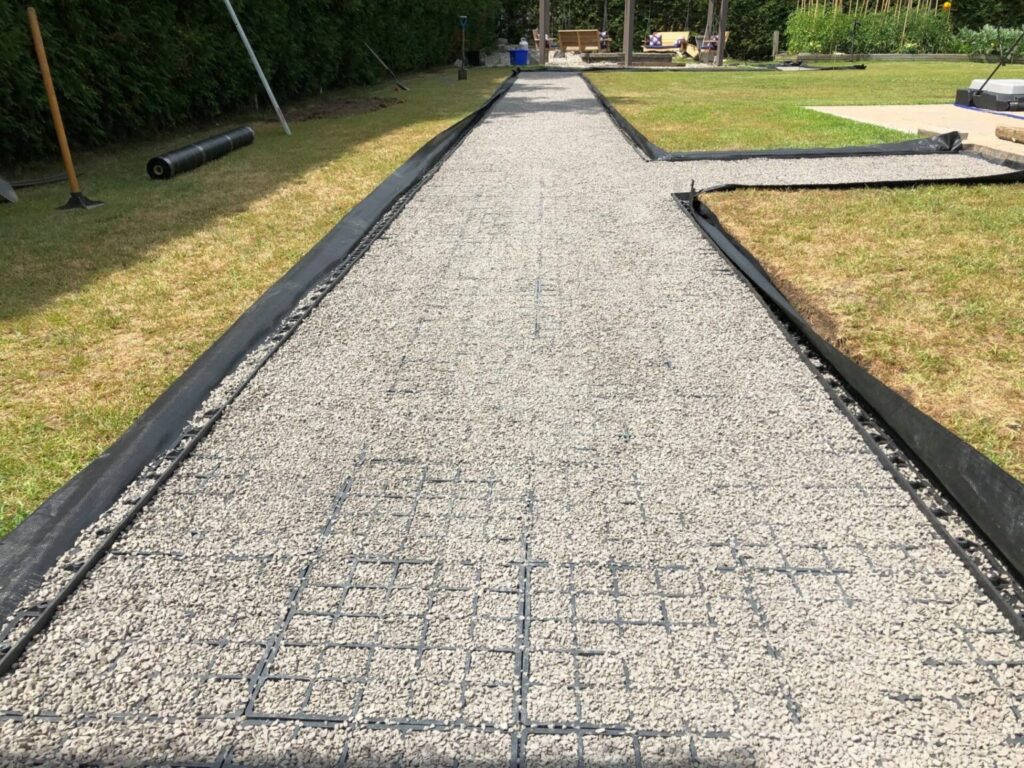
If the goal is a surface that stays flat and aligned over time, the question changes. It is no longer about how well the base is compacted, but whether the base itself can move at all.
SilcaSoil approaches this differently by transforming the ground into a unified, load bearing layer. Instead of relying on compacted aggregate over moving soil, it creates a condition where the ground no longer behaves like loose material.
That shift removes the underlying cause of settling and heaving rather than managing it.
What This Means for Your Project
Choosing a base is not just a construction detail. It determines how the surface will perform years after installation. A compacted gravel base can deliver a good looking result at the start, but it should not be mistaken for a permanent solution. Movement may be slow, but it is built into the system.
If your goal is a surface that stays finished without ongoing adjustment, it is worth considering whether the base beneath it is designed to move or designed to stay put.
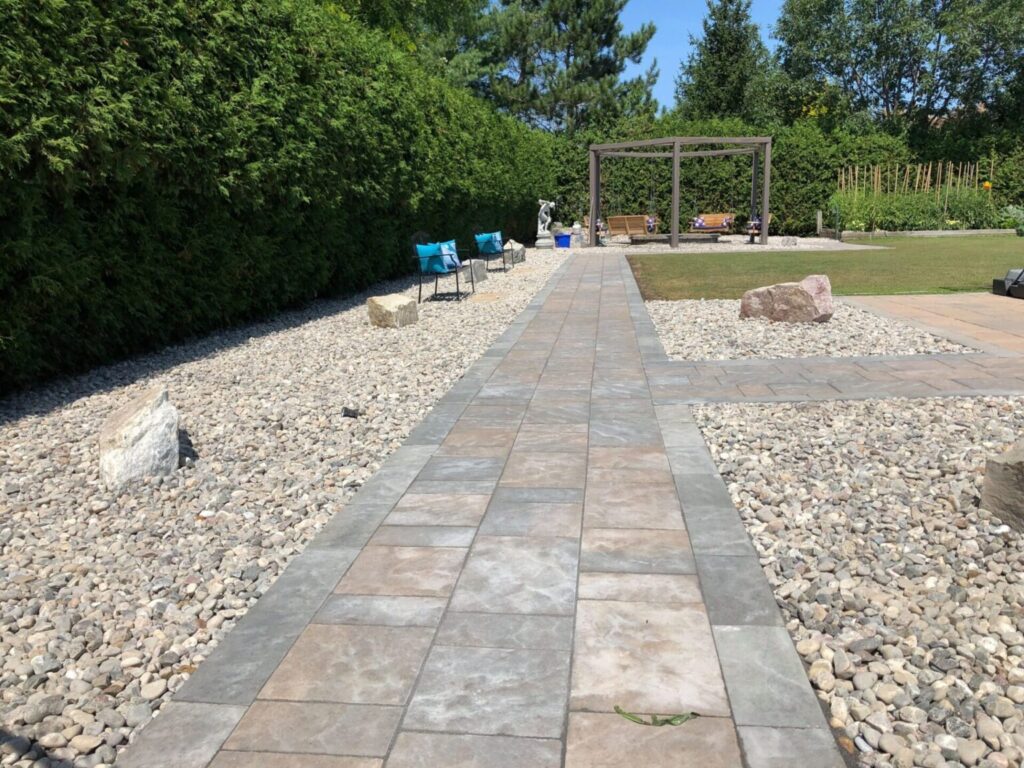
If you are planning a patio, walkway, or pool deck and want to understand which approach fits your site, reach out through our contact page. We are ready to help you evaluate your conditions and choose a solution that aligns with your long term expectations.