
Outdoor Spaces Are Being Treated Like Rooms
Outdoor spaces are no longer being treated as separate from the home. More homeowners are designing decks, patios, and backyards the same way they would approach a living room or kitchen. The goal is no longer just to have a place to sit outside, but to create a space that feels intentional, comfortable, and connected to the rest of the house.
This shift is changing how outdoor spaces are planned and built. Layout, flow, and function now matter just as much outside as they do inside. Homeowners are thinking in terms of zones, purpose, and how the space will actually be used on a daily basis.
Layout and Flow Now Drive the Design
Interior design has always focused on how people move through a space. That same thinking is now being applied outdoors. Instead of one open platform, outdoor areas are being divided into distinct zones such as dining, lounging, cooking, and gathering.
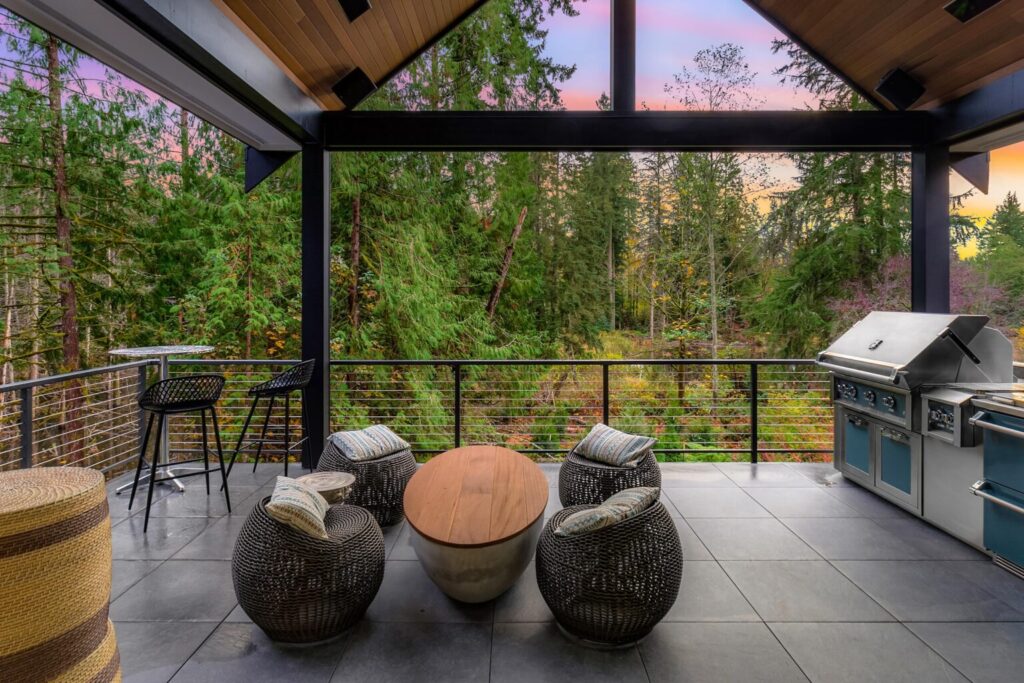
These zones are not random. They are planned with intention so that the space feels natural to use. Paths between areas are considered, transitions are smoother, and the overall layout feels organized rather than scattered.
This approach makes outdoor spaces feel complete. It also makes them easier to use, which is a big reason homeowners are investing more time and money into getting the layout right.
Materials Are Following the Same Pattern
As outdoor spaces begin to mirror interiors, the materials are starting to follow the same direction. Homeowners are choosing finishes that feel more permanent and architectural rather than temporary or purely functional. Surfaces are selected not just for performance, but for how they contribute to the overall look and feel of the space.
This is one reason stone and other solid surface materials are becoming more popular in outdoor design. They create a visual connection to interior finishes and help the space feel like a natural extension of the home.
Outdoor trends research supports this shift. Houzz reports that more than one third of homeowners renovating their outdoor areas say they are doing so specifically to extend their living space.
Comfort and Function Are Taking Priority
Interior spaces are designed for comfort, and outdoor spaces are starting to follow that same standard. Furniture is more substantial, layouts are more intentional, and features are added to support how people actually spend time outside.
Fire features, outdoor kitchens, and covered areas are no longer considered extras. They are becoming part of the core design because they make the space more usable throughout the year. The goal is to create an environment that feels just as livable as the inside of the home.
When outdoor spaces reach that level of comfort, the materials and structure need to support that experience. That is where more permanent surfaces and well planned construction start to matter.
What This Means for Deck Builders
For builders, this shift changes the role of a deck. It is no longer just a platform attached to the house. It becomes the foundation for an outdoor room. That means structure, layout, and finish all need to work together to support how the space will be used.
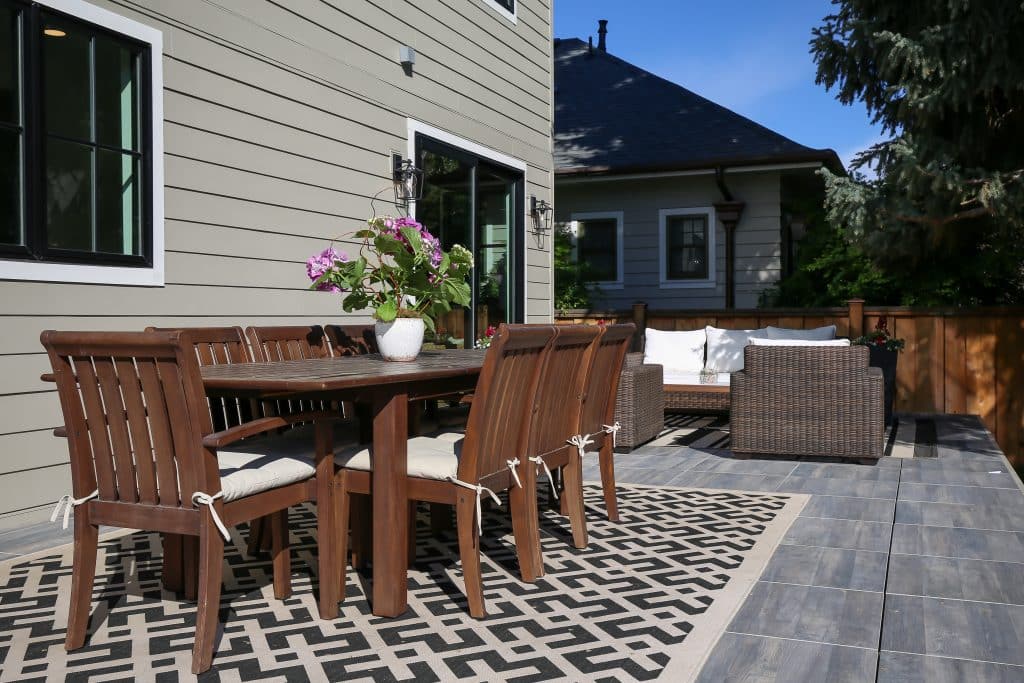
Framing still provides the flexibility needed to create elevation and define space. The difference is that the finished surface now plays a bigger role in how the space is perceived. When the surface feels solid and architectural, the entire project feels more complete.
Builders who understand this shift are able to offer more than just materials. They are able to deliver outdoor spaces that feel designed rather than assembled.
Bringing It All Together
As outdoor design continues to follow interior design principles, expectations will continue to rise. Homeowners are no longer satisfied with basic structures that serve a single purpose. They are looking for spaces that feel cohesive, functional, and built to last.
That change is not about trends. It is about how people want to live in their homes, both inside and out. When outdoor spaces are designed with the same level of thought as interior rooms, the result is a more connected and more valuable living environment.
If you are thinking about how to bring that level of design into your next project, we are ready to help. Visit our contact page and reach out to talk through your project, your ideas, or how this approach can fit into your next build.