The Frustration Many Homeowners Notice
Many homeowners install a new deck expecting it to stay attractive for years with only minimal upkeep. At first the boards look clean, with even shade and elevation. Unfortunately, it often does not take long before the surface begins to look worn, faded, or uneven.
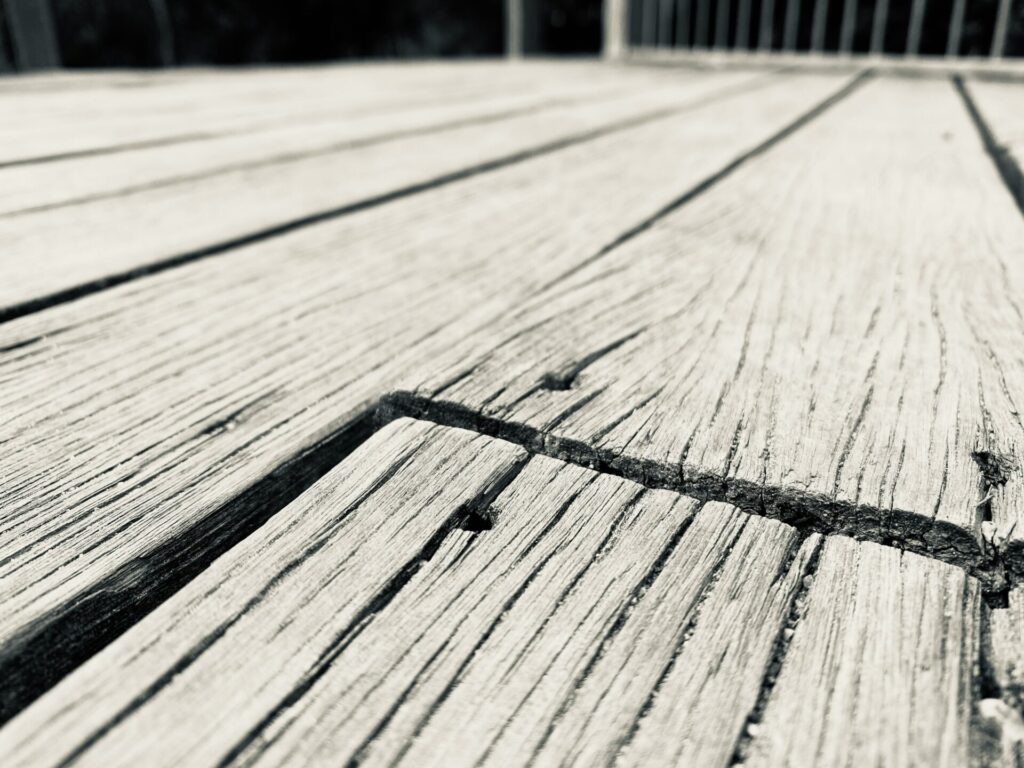
This change can happen surprisingly fast. Within only a few seasons, deck boards may begin to discolor, splinter, or develop a patchy appearance. Even well built decks can start to look tired long before the structure itself has reached the end of its life.
Sun, Moisture, and Temperature Are Constantly Working Against the Surface
Outdoor materials face a much harsher environment than anything used inside the home. Deck boards sit fully exposed to sunlight, rain, snow, and constant temperature swings. Over time those forces gradually break down the surface of the material.
Ultraviolet light from the sun is one of the biggest culprits. According to the U.S. Environmental Protection Agency, UV radiation slowly degrades wood fibers and finishes, which leads to fading and surface deterioration over time. Even treated lumber eventually begins to lose its original color as this process continues year after year.
Moisture compounds the problem. When wood absorbs water during rain or humidity and then dries out again, it expands and contracts repeatedly. This cycle stresses the material and can eventually lead to cracking, warping, or raised grain on the surface of the boards.
Maintenance Can Slow the Process but Not Eliminate It
Many homeowners try to preserve the appearance of their deck through staining or sealing. These treatments can help slow down moisture absorption and reduce UV damage, but they are not permanent solutions. Most finishes need to be reapplied every few years in order to remain effective.
This creates a cycle that many homeowners eventually grow tired of. The deck may look good right after maintenance, but the improvements often fade over time. Before long the boards return to the same weathered appearance that prompted the work in the first place.
Composite decking can reduce some of these issues, but it introduces its own tradeoffs. While composites resist rot and insect damage, they can still fade, stain, or show surface wear after years of exposure. The result is that many outdoor surfaces still struggle to maintain their original appearance over the long term.
When the Surface Becomes the Real Problem
In many cases the deck structure itself remains perfectly sound while the surface boards are the element that ages the fastest. Homeowners often discover that the framing beneath the deck is still strong even though the boards above it are beginning to look worn.
This is one reason resurfacing projects have become so common. Instead of rebuilding the entire deck, many homeowners remove the old boards and install a new surface. While this can refresh the appearance temporarily, it does not always address the underlying cycle that caused the boards to deteriorate in the first place.
Reconsidering the surface material itself can sometimes open the door to more durable solutions. Materials designed specifically for outdoor exposure may offer greater resistance to fading, moisture, and long term wear.
Why Many Homeowners Are Turning to Stone Deck Surfaces
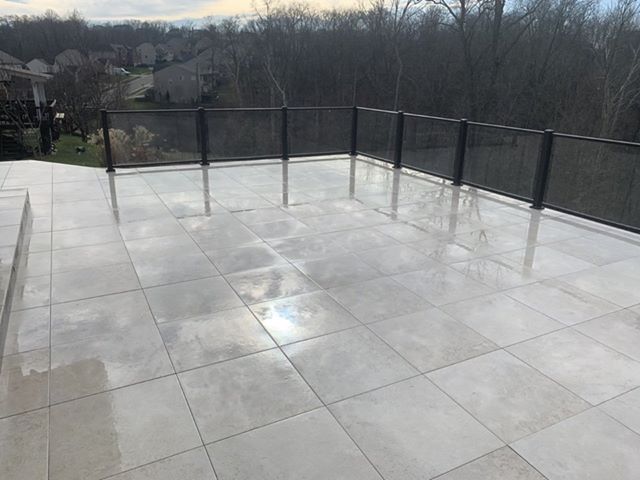
When homeowners begin looking for alternatives to traditional decking boards, stone often enters the conversation. Natural stone and porcelain pavers are far less susceptible to fading, splintering, and surface deterioration than wood. These materials are designed to handle outdoor exposure and tend to maintain their appearance much longer.
Stone surfaces also bring a different level of visual permanence to an outdoor space. Instead of a deck that feels temporary or constantly in need of refinishing, the space begins to resemble an architectural terrace that complements the home.
Systems like StoneDeks make this type of surface possible on an elevated deck structure. The system allows natural stone, porcelain, or pavers to be installed over standard deck framing, transforming the surface while keeping the underlying structure in place.
If your deck boards are starting to look worn and you are considering a replacement, it may be worth exploring whether a stone surface could work for your space. Visit our contact page to schedule a free consultation. We are ready to help you evaluate your existing deck, discuss possible surface upgrades, and determine whether a stone deck solution like StoneDeks is the right fit for your home.