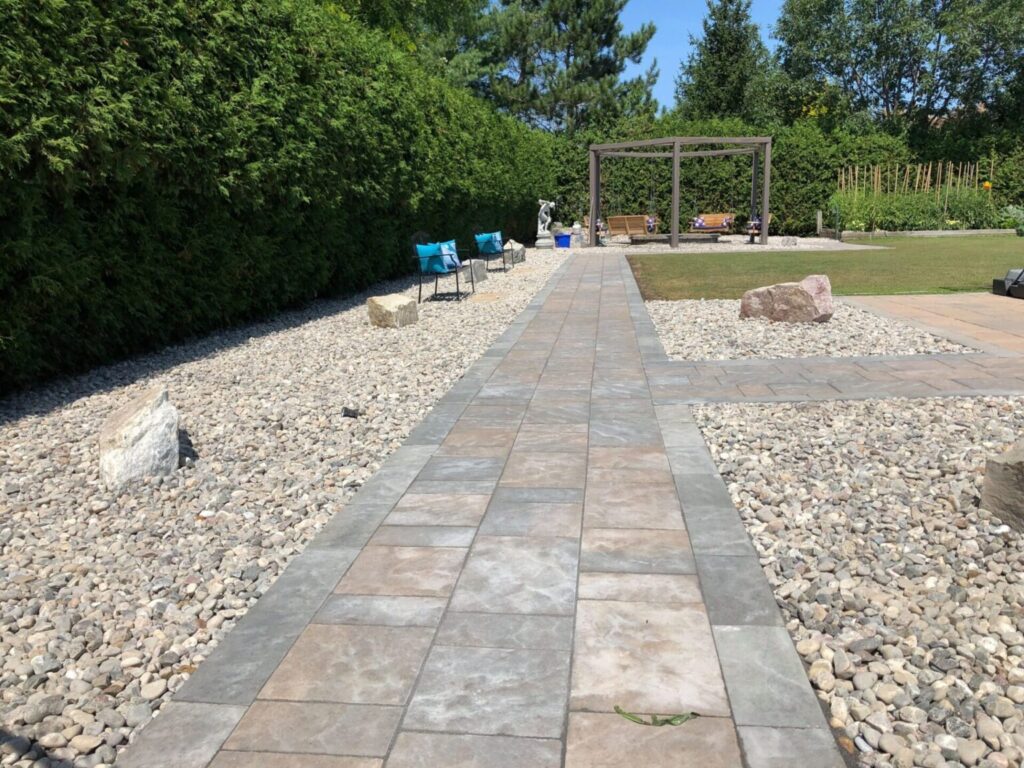
The Problem Starts Below the Surface
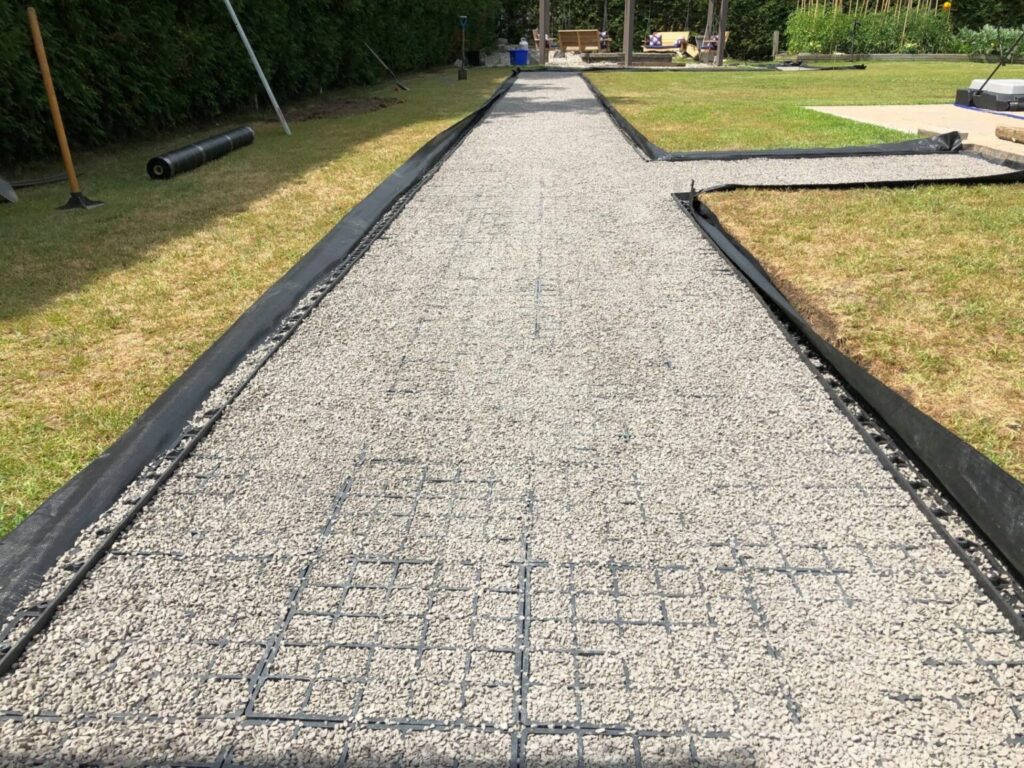
When a stone patio begins to settle, shift, or hold water, most people blame the stone itself. Others assume the installer made a mistake. In many cases, neither is the real issue.
The actual problem starts below the surface. The ground under the patio continues to move long after the project is finished, and that movement slowly works its way upward into the stone.
Soil is always reacting to its environment. It absorbs water, dries out, expands, contracts, freezes, and thaws. Even when the surface looks solid, the layer underneath is still changing with every season.
That is why a patio can look great at first and then slowly drift out of alignment over time. The stone is not necessarily failing. The ground under it is no longer providing the stable support the surface needs.
Why Traditional Patio Bases Eventually Let You Down
Most ground level stone patios are built on a compacted gravel base over native soil. That method can create a clean looking result in the beginning, but it does not eliminate the movement happening underneath. It simply places a prepared layer on top of soil that still behaves like soil.
As moisture moves through the ground, the layers below the patio can shift, settle, or compress unevenly. In colder climates, freeze and thaw cycles add even more stress. Over time, that movement shows up on the surface in the form of uneven stones, widening joints, and areas that no longer drain correctly.
Concrete is often seen as the more permanent answer. It feels solid, substantial, and final. The problem is that concrete still depends on the ground beneath it, and when that ground moves, the slab can crack, tilt, or transfer the same instability to the finished surface above.
This is where many homeowners get frustrated. They invest in a beautiful patio because they want something lasting, but the foundation underneath still allows the same long term problems to return.
A Smarter Alternative to Building on Moving Ground
If the real problem is soil movement, then the solution should begin there. Instead of trying to manage movement after the fact, SilcaSoil addresses it at the source by turning unstable ground into a stable, unified base.
That changes the entire conversation. Rather than asking stone to sit on top of a base that may shift over time, SilcaSoil creates a structural layer the stone can actually rely on. The surface above is no longer forced to compensate for what the ground is doing below.
This matters because patios fail slowly before they fail visibly. A tiny amount of movement below grade may not seem like much at first, but it compounds over time. SilcaSoil is designed to stop that cycle before it starts.
What That Means for the Finished Patio
When the ground becomes stable, the surface above it has a much better chance of staying flat, aligned, and properly drained. That means fewer surprises after winter, fewer repairs a few years down the road, and far less risk of sections needing to be lifted and reset.
For homeowners, that creates peace of mind. For designers, it creates confidence in specifying premium stone and porcelain at grade. For contractors, it means a better long term outcome and fewer callbacks tied to movement under the surface.
Build It Once and Keep It That Way
People choose stone because they want a finished surface that feels substantial, beautiful, and permanent. They do not want a cycle of settling, patching, and reworking the same patio every few years.
That is what makes SilcaSoil different. It is not just another base method. It is a smarter way to create permanent ground level stone by solving the real problem first. When the ground stops moving, the patio above it can finally do what it was meant to do. It can stay finished.