
No One Wants a Deck Project
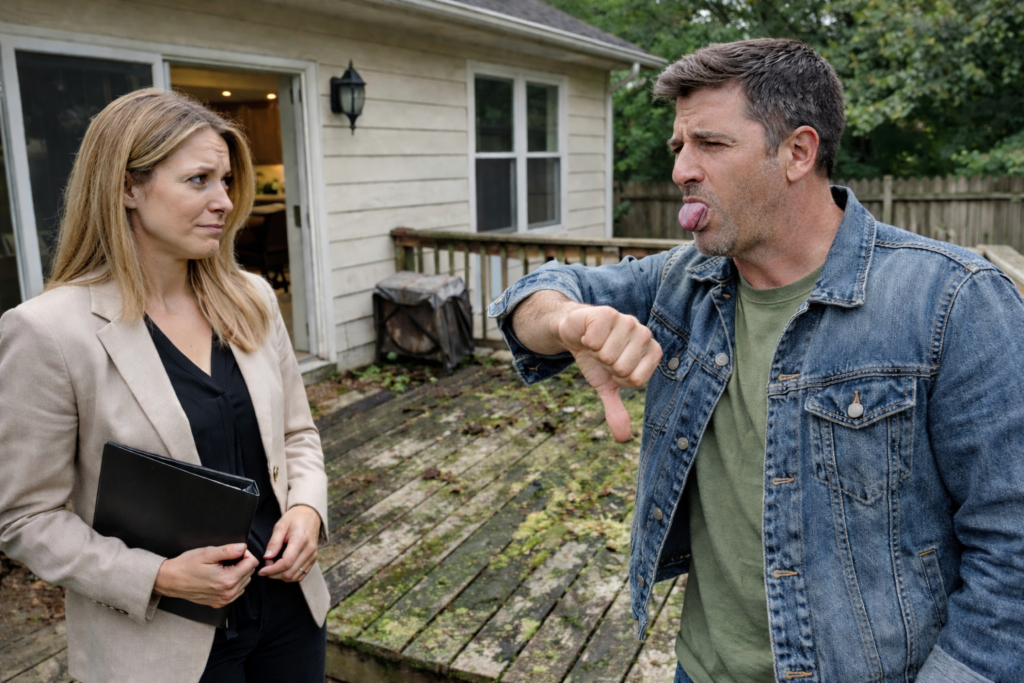
There is a common assumption that buyers are willing to overlook an outdated deck and deal with it after closing. In practice, that is not necessarily how showings play out. You should expect buyers to evaluate the deck as part of the home they are buying today, not as a project they will take on later.
Outdoor space is part of the first impression. The buyer even gets reminded of it as they leave.
And when that deck is below them, they are not thinking about what it could become in a year. They are deciding how it feels right now. If it feels worn, temporary, or unfinished, it immediately lowers the appeal of the home.
The Deck Is Part of the Decision
You should expect buyers to treat the deck as part of the overall property, not as a separate issue they will solve later. It sits in the same category as the kitchen or primary living space in terms of how it shapes their impression.
If the deck does not meet expectations, it introduces hesitation. That hesitation may not always be stated directly, but it shows up in slower decisions, lower offers, or reduced enthusiasm. A space that feels incomplete creates doubt, and doubt affects momentum.
Why “Later” Isn’t a Plan
The idea of upgrading the deck after closing sounds reasonable during a showing, but you should expect that most buyers do not want to take on that kind of project. Once they move in, priorities shift toward the interior, daily life, and immediate needs.
Because of that, outdoor projects are often delayed. Buyers know this, even if they do not say it out loud. They are not looking for a plan they can execute later. They are looking for a space they can use and enjoy right away.
What Buyers Expect From a Deck
You should expect buyers to want a deck that feels finished, solid, and intentional. Structural soundness is assumed. What matters is how the surface looks and feels.
Board-style decking can meet basic expectations, but it often lacks the visual weight and permanence that buyers associate with higher-end outdoor spaces. When a deck feels light or temporary, it struggles to meet the standard buyers have in mind.
A deck that supports the sale feels like an extension of the home. It looks complete and worth keeping, not like something that needs to be replaced.
Where StoneDeks Fits
Most decks rely on wood or composite boards because they are standard for deck construction. That limits how the space is experienced, even when the structure itself is in good condition.
StoneDeks allows real stone, porcelain tile, or concrete pavers to be installed over standard deck framing. Instead of replacing boards with more boards, the surface can be upgraded to something that feels more permanent and architectural.
You should expect this kind of upgrade to change how the space is perceived. The deck stops feeling like a temporary platform and starts feeling like a finished outdoor living area.
Making the Deck Work for the Sale
You should expect the deck to either support the sale or work against it. It is rarely neutral. When it meets expectations, it strengthens the overall impression of the home. When it does not, it introduces friction.

Realtors who address this early can keep the conversation moving. Instead of assuming buyers will fix the deck later, they can focus on what buyers want now: a finished space they can use immediately.
If you are working with buyers or sellers and want to make sure the deck supports the sale instead of working against it, our team can help. Visit our contact page to start the conversation and see how StoneDeks can turn a standard deck into a space buyers are ready to enjoy from day one.