
A Deck For Keeps
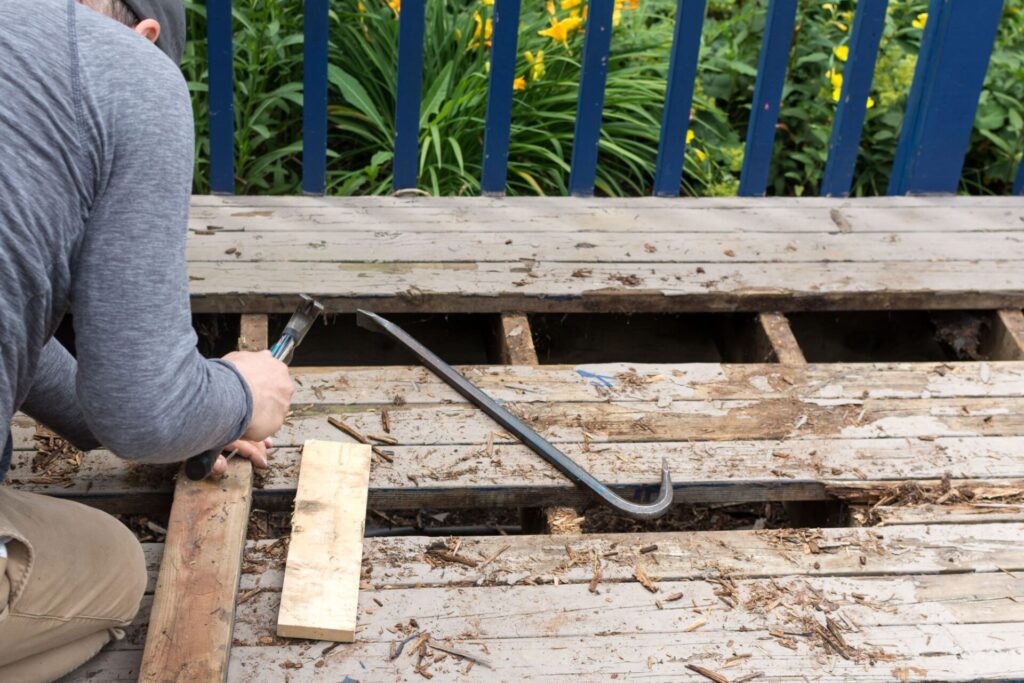
Walk across most residential decks and there is a subtle but consistent feeling that the space is functional without feeling permanent. The structure may be solid and the boards may be new, yet the overall experience still feels like an attachment rather than a true extension of the home. That perception shapes how homeowners value the space and how buyers interpret it during a showing.
Traditional wood decks were designed to solve an elevation challenge by creating usable outdoor space where a patio could not be installed. Over time, they became a standard feature in residential construction, but the materials themselves were never intended to convey permanence or architectural weight. Even composite decking, while marketed as a long-term solution, still follows the same visual language of planks and seams that subtly signal maintenance and eventual replacement.
The Surface Is the Signal
In most cases, the framing beneath a deck is not the issue because properly built deck structures are strong and reliable. What determines how the space feels is the surface people see and walk on every day. Board-style materials tend to communicate cycles of staining, fading, and repair, which reinforces the idea that the space is temporary regardless of its structural integrity.
Stone communicates something entirely different. It suggests durability, stability, and intention, which changes both the visual weight and the physical experience of the space. When the surface changes, the emotional response changes with it.
The Patio Tradeoff
Homeowners who want permanence often turn to patios because pavers and natural stone feel grounded and substantial. A patio carries visual mass and typically aligns with higher-end outdoor design, which is why it is associated with long-term value. The limitation is that patios generally work only at grade, leaving elevated outdoor areas dependent on traditional decking materials.
This creates an unnecessary compromise between elevation and permanence. If the outdoor living space must be raised, many homeowners assume they must accept boards as the finished surface. That assumption is what keeps elevated decks from reaching their full design potential.
Rethinking the Structure and the Surface
A more thoughtful approach separates the structure from the surface and assigns each a distinct role. The framing can remain standard deck framing while the finished surface transitions to real stone, porcelain tile, or concrete pavers designed for elevated applications. By doing so, the deck retains its structural practicality while gaining the permanence and architectural presence typically associated with a patio.
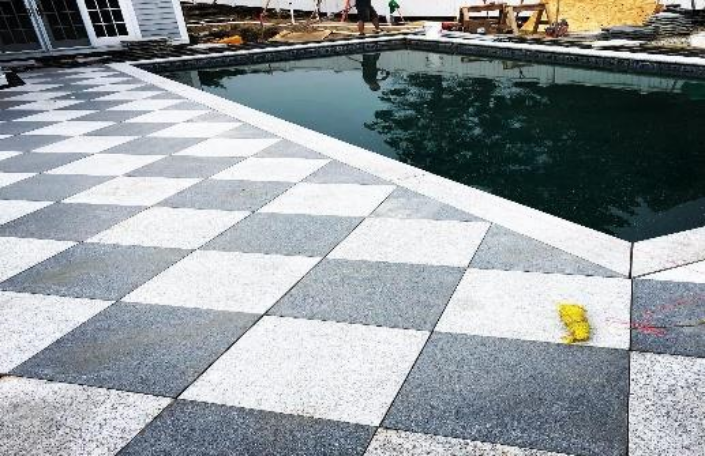
Outdoor living space now plays a central role in how homes are evaluated, especially as buyers view it as an extension of interior square footage. When that space feels temporary, it limits the overall impression of the property and blends in with competing listings. When it feels permanent and intentional, it strengthens the value narrative and creates differentiation.
Most decks feel temporary not because they are poorly built, but because their surfaces communicate impermanence. Changing that message does not require reinventing the structure. It requires rethinking what people stand on and what that surface signals about the home as a whole.