
The Wear Shows Up Sooner Than Expected
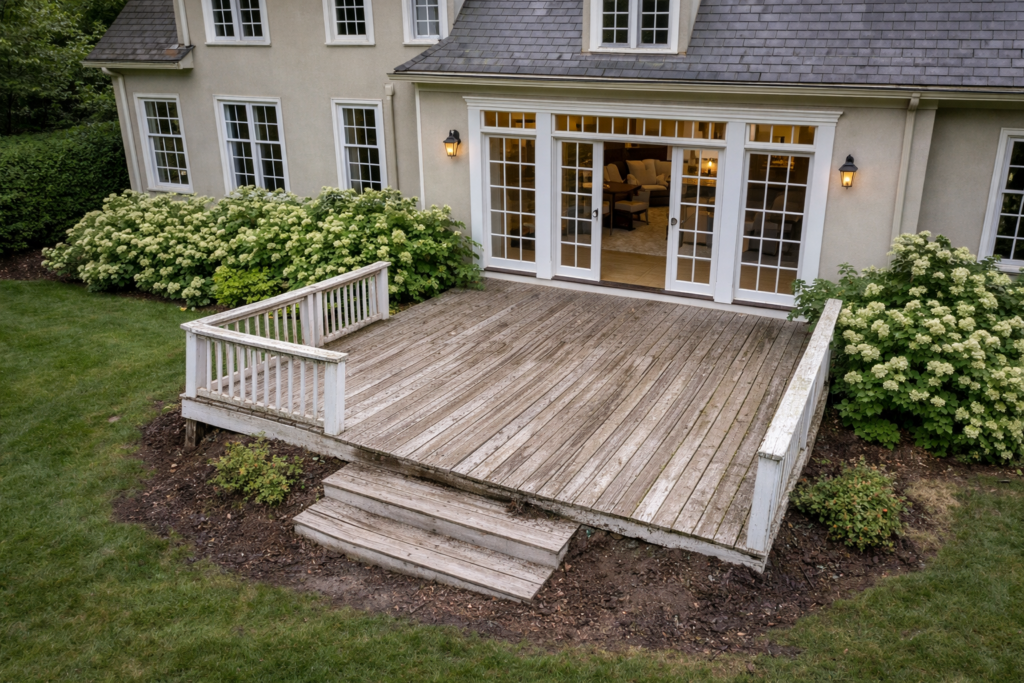
Most parts of a home are designed to look good for decades with minimal visible change. Siding, roofing, and windows may slowly age, but the process is gradual and often goes unnoticed for years. Decks are different, and many homeowners are surprised by how quickly they begin to show wear. The color changes, the surface texture roughens, and small imperfections start to stand out. Even when the structure is still solid, the appearance alone can make the entire backyard feel older.
Constant Exposure Accelerates the Process
The main reason decks age so quickly is simple. They are fully exposed to the elements at all times, without the protection that other parts of the home benefit from. Sunlight, rain, snow, and temperature swings all interact directly with the surface.
Ultraviolet radiation plays a major role in breaking down materials. According to the U.S. Forest Service, prolonged sun exposure degrades wood fibers and leads to discoloration and surface damage over time. This process does not stop, which means the deck continues to change with each passing season.
Moisture adds another layer of stress. Wood repeatedly absorbs and releases water as weather conditions change, causing expansion and contraction. Over time, this movement leads to cracks, warping, and a rougher surface that makes the deck look older than it really is.
The Surface Takes the Hit First
In most cases, the framing beneath a deck remains structurally sound far longer than the surface boards above it. The visible layer is the part that absorbs the most abuse, which is why it tends to show wear first.
This creates a situation where the deck feels worn even though the underlying structure is still in good condition. Homeowners often respond by replacing boards, sanding surfaces, or applying new finishes. While these steps can improve appearance temporarily, they do not stop the cycle of aging.
Over time, the same issues return. The color fades again, the surface begins to break down, and maintenance becomes a repeating task rather than a lasting solution.
Why Material Choice Matters More Than Most People Think
Not all outdoor materials respond to the environment in the same way. Traditional decking boards, especially wood, are more vulnerable to the combination of sunlight and moisture than harder, more stable materials.
This is why many homeowners eventually begin to question whether the surface itself is the problem. If the same material continues to age quickly no matter how well it is maintained, it may be worth considering alternatives that are better suited for long term outdoor exposure.
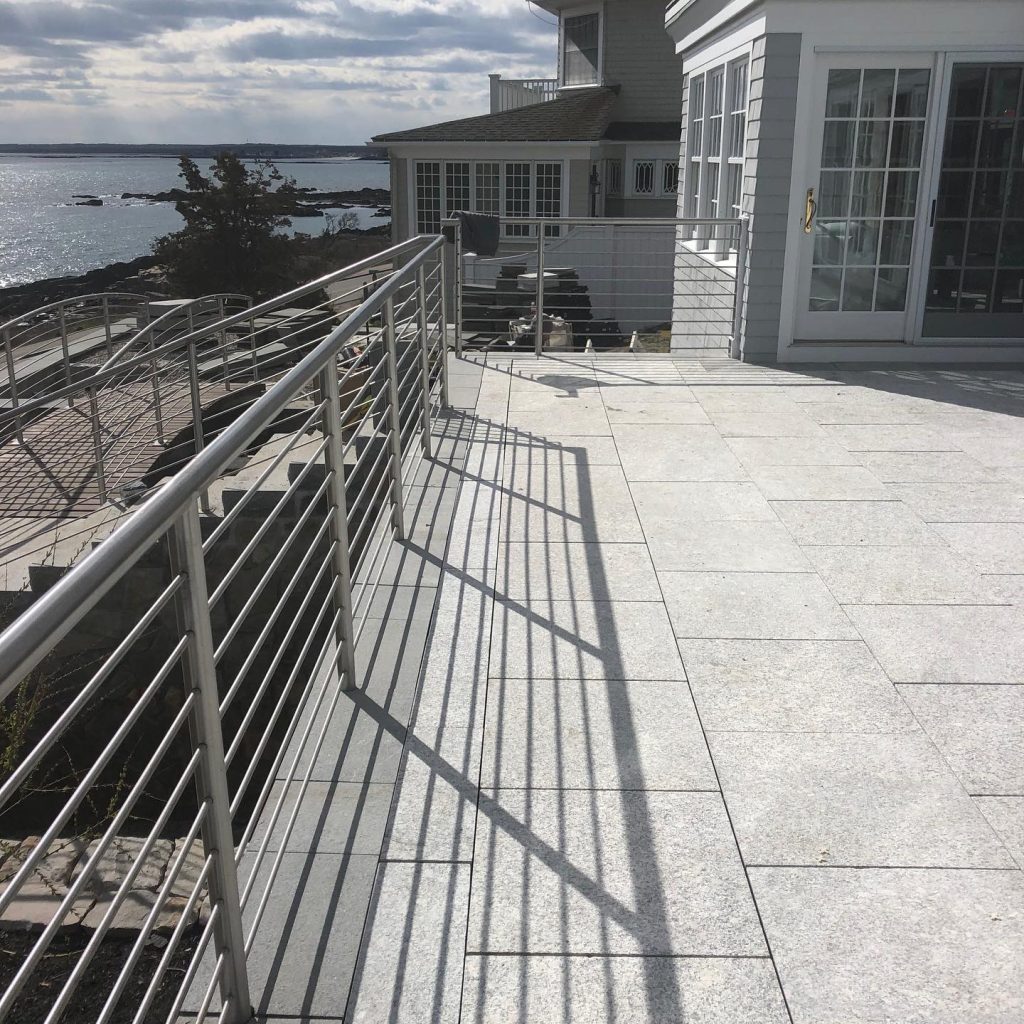
Stone and porcelain surfaces are designed to handle these conditions with far less visible change over time. They do not fade in the same way, they are not affected by moisture cycles in the same manner, and they tend to maintain their appearance far longer than wood based materials.
A More Durable Direction for Deck Surfaces
As homeowners look for ways to avoid the constant cycle of maintenance and replacement, many begin to explore stone as an alternative to traditional decking. These materials offer a more stable surface that holds up better under sun, moisture, and daily use, while also creating a more substantial and finished look.
Systems like StoneDeks make it possible to install natural stone, porcelain, or architectural pavers over standard deck framing. This allows homeowners to upgrade the surface without rebuilding the entire structure, while also moving away from materials that tend to age quickly.
If your deck is starting to show its age and you are tired of the ongoing maintenance cycle, it may be time to look at a different approach. Visit our contact page to schedule a free consultation. We are ready to help you evaluate your current deck, walk through your options, and determine whether a more durable surface like stone is the right fit for your home.