The Upkeep Cycle
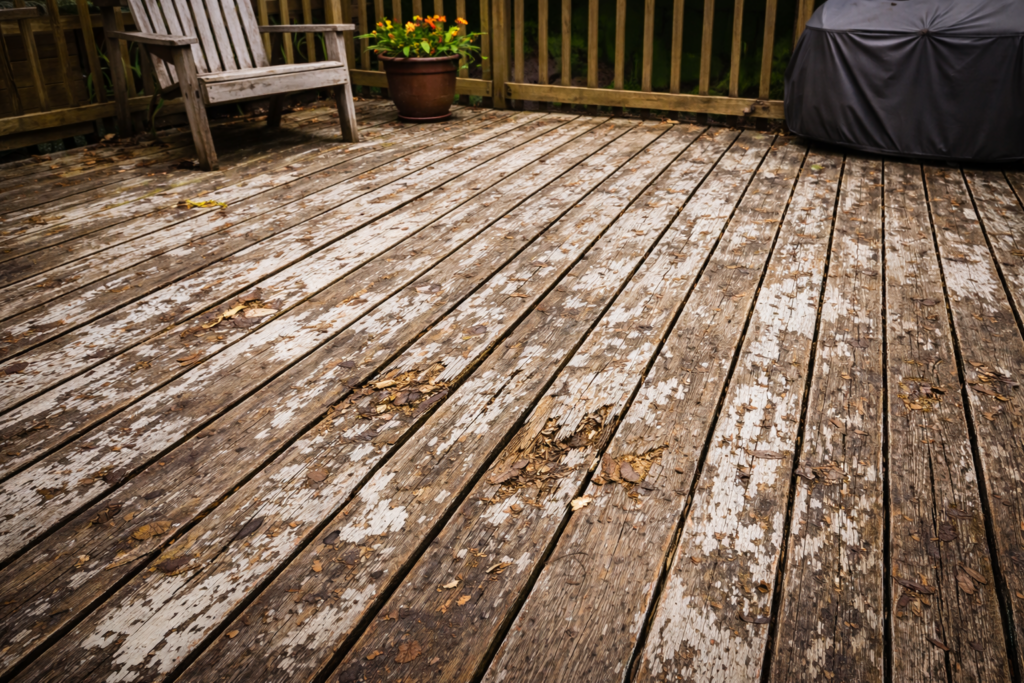
As the deck gets older, that pattern changes. What used to be light upkeep turns into a recurring project that never fully goes away. The boards begin to fade, splinter, crack, and wear unevenly, which means the work is no longer about preserving the deck’s appearance.
It becomes an ongoing effort just to keep the surface looking acceptable and feeling safe to use. This can confuse the owners if they expected deck maintenance to only be occasional.
And in the early years, it very well may have been. The surface looked good, the boards felt solid, and keeping everything in shape was a simple matter of cleaning, sealing, or staining the wood from time to time.
The Surface Boards Are Constantly Breaking Down
The reason this happens is straightforward. Deck boards sit fully exposed to sun, rain, snow, temperature swings, foot traffic, and furniture movement year after year. Even when the deck is well cared for, the surface is still absorbing constant wear from weather and daily use.
Wood responds to that exposure by expanding, contracting, drying out, and slowly losing integrity. Over time, the boards start to crack, split, warp, and splinter. Stain and sealers can slow the process, but they cannot stop the material from aging. Eventually, homeowners find themselves maintaining not because they want the deck to look better, but because the surface keeps demanding attention.
Small Repairs Rarely End the Problem
Once the surface starts to deteriorate, many homeowners try to stay ahead of it with spot repairs. They replace a few boards, sand down rough patches, drive in loose fasteners, and apply another coat of stain. Those steps may improve the deck for a season, but they rarely solve the larger issue.
That is because the problem is no longer limited to one damaged board or one rough area. The entire surface is aging at the same time. As soon as one area is repaired, another begins to show wear. This is why deck maintenance can feel endless. The work keeps coming back because the material itself is reaching the end of what it can realistically handle.
Why Repeating the Same Surface Makes No Sense
At a certain point, homeowners have to decide whether they want to keep maintaining wood or replace the surface with something more durable. Installing new wood boards may reset the clock, but it also restarts the same cycle. Even composite, while lower maintenance, is still a board-based surface exposed to the same environment.
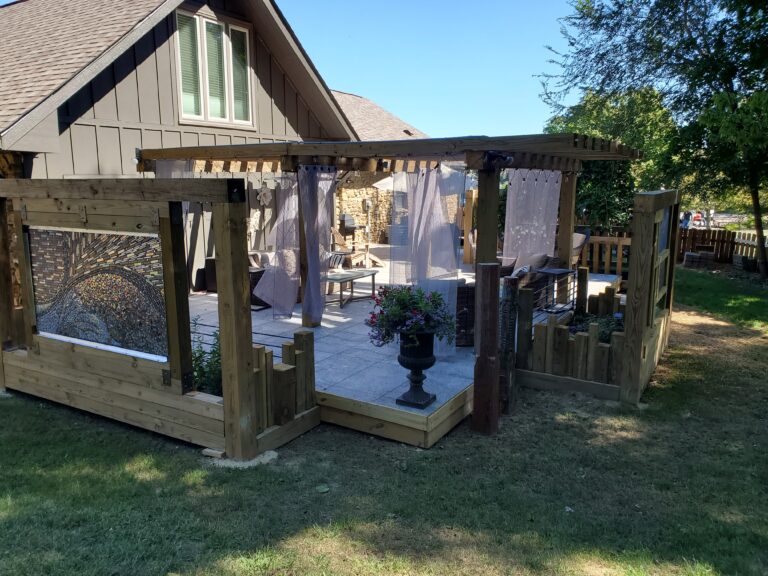
This is where StoneDeks offers a more permanent upgrade. Instead of replacing worn deck boards with another surface that will eventually weather and wear, StoneDeks allows homeowners to upgrade to real stone, porcelain, or pavers over deck framing. The result is a surface that eliminates splintering, reduces maintenance, and gives the outdoor space a more finished, long-term feel.
When Maintenance Becomes a Sign to Upgrade
If maintaining a deck has started to feel like a yearly battle, that usually means the surface has outlived its value. Constant staining, sanding, and replacing boards may keep the deck going, but it does not change the fact that the material will continue to wear. There comes a point where more maintenance is not the smart move anymore.
For homeowners who are tired of repeating the same cycle, StoneDeks offers a better path. Instead of continuing to repair a surface that keeps breaking down, they can replace it with a real stone deck surface built for durability, longevity, and far less upkeep.