
Why Deck Surface Lifespan Matters

When homeowners think about building or upgrading a deck, they often focus on appearance or upfront cost. Those factors are important, but the lifespan of the surface material is just as critical. The boards or tiles that make up the deck surface take the full impact of weather, sunlight, moisture, and daily use. Over time, even well-maintained materials begin to show wear.
A deck surface that lasts only ten or fifteen years may not seem like a problem at first, but replacing boards, sanding surfaces, repainting, and restaining can add up quickly. The longer a deck surface lasts, the less time and money homeowners spend maintaining or replacing it.
How Long Common Deck Surfaces Typically Last
Different materials age very differently when exposed to outdoor conditions. Traditional wood decking remains common because it is widely available and relatively affordable, but it also has the shortest lifespan of most deck surface options. Pressure-treated lumber typically lasts around 10–15 years before significant wear begins to appear, especially in climates with strong sun or frequent moisture exposure.
Composite decking lasts longer than wood because it is engineered to resist moisture and insects. Many composite manufacturers estimate lifespans of 25–30 years depending on the product and environmental conditions. However, composite boards can still fade, heat up in direct sunlight, and eventually show signs of wear.
Hardscape materials such as stone, porcelain, and concrete pavers generally last far longer than board-based decking surfaces. These materials are designed to withstand weather exposure without splintering, cracking along grain lines, or requiring staining. According to the Natural Stone Institute, properly installed natural stone surfaces can last for decades with minimal maintenance because stone does not deteriorate in the same way wood products do when exposed to weather.
Why Hardscape Surfaces Last Longer
The primary reason stone and porcelain surfaces last longer is that they are not made of organic fibers that break down over time. Wood naturally absorbs moisture, dries out, and expands or contracts with temperature changes. Those cycles slowly weaken the structure of the material and lead to cracking, splintering, and surface deterioration.
Stone and porcelain surfaces behave very differently. They are far less affected by moisture and sunlight, and they do not rely on protective coatings such as stain or paint to remain durable. As a result, they avoid many of the problems that cause traditional deck boards to age prematurely.
Turning a Deck Into a Long-Lasting Surface
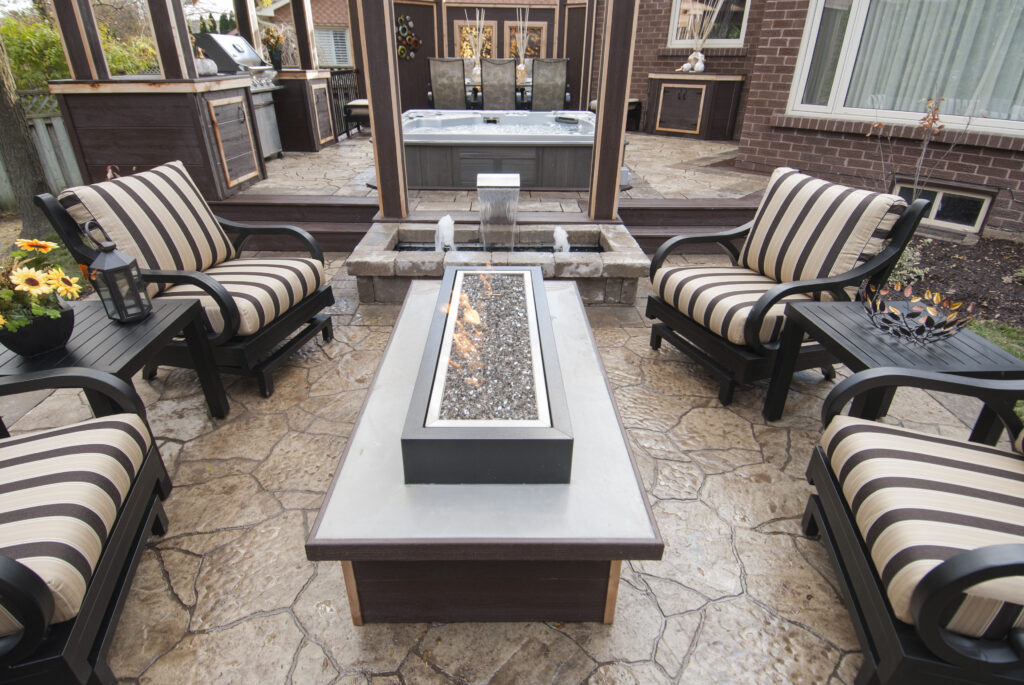
For homeowners who want the durability of stone but already have a deck structure, replacing the surface does not necessarily mean tearing everything down and starting over. Systems like StoneDeks are designed to support real stone, porcelain, or pavers on top of deck framing, creating a hardscape surface where wood boards once existed.
Instead of replacing aging deck boards every decade or repeating a cycle of sanding, painting, and staining, a stone surface can provide a far more durable solution. The result is a deck that feels more like an elevated patio, with a surface designed to withstand weather and daily use for many years.
Choosing a Surface That Will Last
Every deck surface has advantages depending on budget, climate, and personal preferences. Wood remains a familiar option, while composite materials offer longer lifespan and lower maintenance. For homeowners looking for the longest lasting surface available, however, hardscape materials such as stone and porcelain consistently outperform traditional decking boards.
Choosing a durable surface from the beginning can dramatically reduce long-term maintenance and replacement costs. Instead of planning for future repairs and resurfacing projects, homeowners can focus on creating an outdoor space that is designed to last.
Ready to Explore a Longer-Lasting Surface?
If your deck surface is beginning to show wear or you are planning a new project, exploring longer-lasting materials can make a significant difference in how your outdoor space performs over time. Our team works with homeowners and contractors to determine whether a stone deck surface using StoneDeks is the right solution for their project.
Visit our contact page to reach out and start the conversation. We are ready to answer questions, review your situation, and help you find the best path forward for a deck surface that will last.