
What Buyers React to First
Buyers don’t evaluate a deck the way a contractor does. They are not checking framing, fasteners, or joist spacing. They are reacting to how the space feels the moment they step onto it.
If the surface looks worn, uneven, or dated, the deck immediately becomes a future project in their mind. That creates hesitation, even if the rest of the home shows well. When a deck feels solid, clean, and intentional, it does the opposite. It supports the overall impression of the home and helps buyers picture themselves using the space.
Why Some Decks Fall Flat
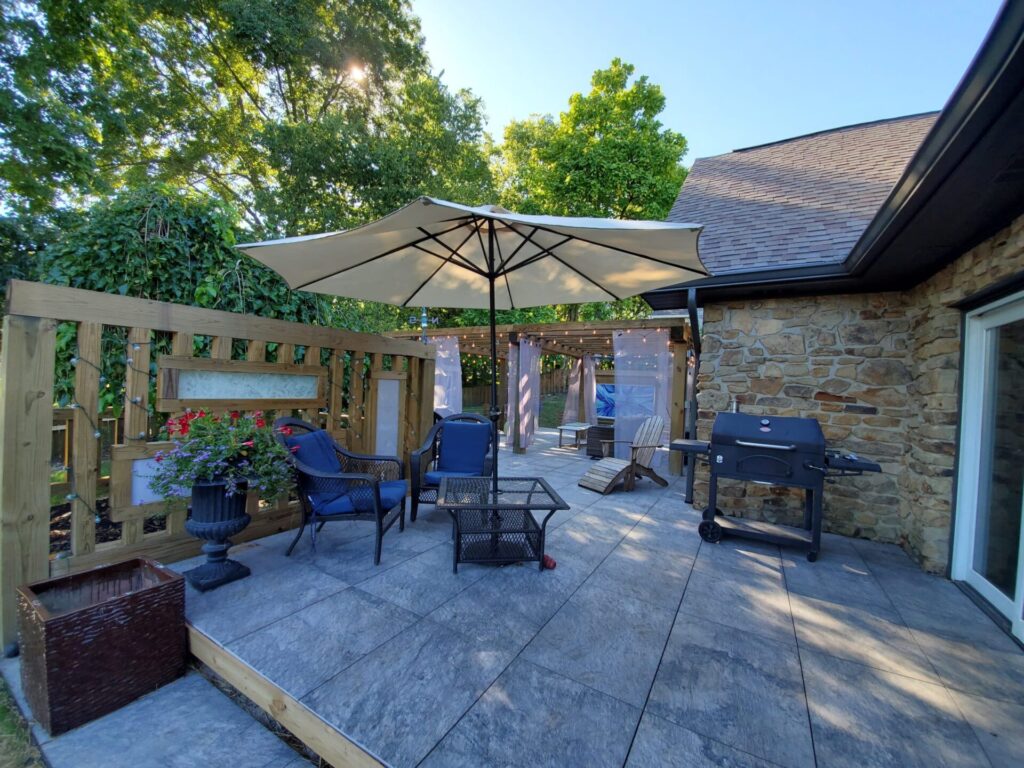
Most decks fail to make an impact because they look like every other deck. Standard wood or composite boards create a familiar visual pattern that buyers have seen in countless homes. Even when the deck is in good condition, it rarely stands out or adds meaning to the showing.
There is also a perception issue. Board-style surfaces often suggest maintenance, aging, and eventual replacement. Buyers may not say it directly, but they feel it. The deck becomes something they will need to deal with rather than something they are excited about.
What Makes a Deck Sell
A deck that helps sell a home does more than function. It feels like part of the property’s design. The surface looks intentional, the materials feel substantial, and the space holds attention instead of blending into the background.
When a deck feels solid underfoot and visually aligns with higher-end outdoor spaces, buyers respond differently. They spend more time there during the showing. They talk about how they would use it. The space becomes part of the reason they like the home instead of a detail they overlook.
Where StoneDeks Fits In
StoneDeks changes that by allowing real stone, porcelain tile, or concrete pavers to be installed over standard deck framing. Instead of replacing boards with more boards, the surface can be upgraded to something that feels permanent and architectural.
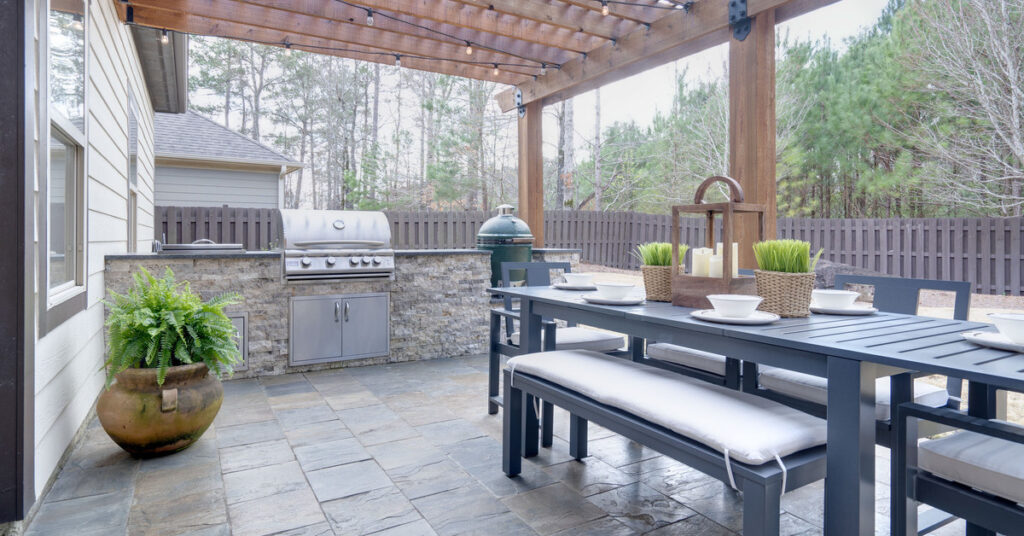
One of the reasons most decks look and feel similar is because they rely on the same surface materials. Wood and composite boards are common because they are easy to install over standard framing, but they limit how the space can be experienced.
That shift changes how the deck is perceived. The structure is still a deck, but the experience becomes closer to a terrace or patio. It feels more substantial, and that difference is immediately noticeable to buyers.
Making the Deck Part of the Sale
A deck does not need to be large or elaborate to influence a buyer’s decision. It needs to feel finished, intentional, and worth keeping. When it meets that standard, it supports the value of the home and helps the property stand out in a crowded market.
Realtors who understand this difference can guide buyers more effectively during showings. Instead of letting a deck become a distraction, they can frame it as either a feature or a clear upgrade opportunity with a defined path forward.
If you are working with buyers or sellers and want to understand how a deck can become a selling feature rather than a liability, our team can help. Visit our contact page to start the conversation and explore how StoneDeks can turn a standard deck into a space that helps the home sell.