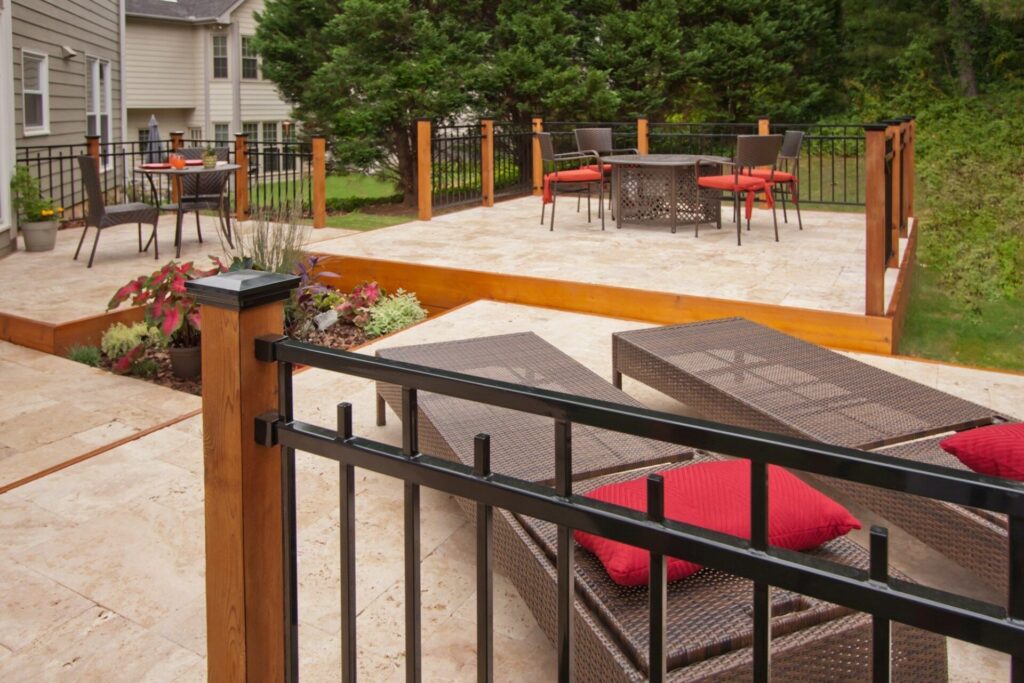
Set Under Stone
Outdoor living spaces have become a central part of residential architecture. Patios, decks, outdoor kitchens, and terraces are no longer treated as simple backyard additions. They are designed, staged, and valued as extensions of the home itself.
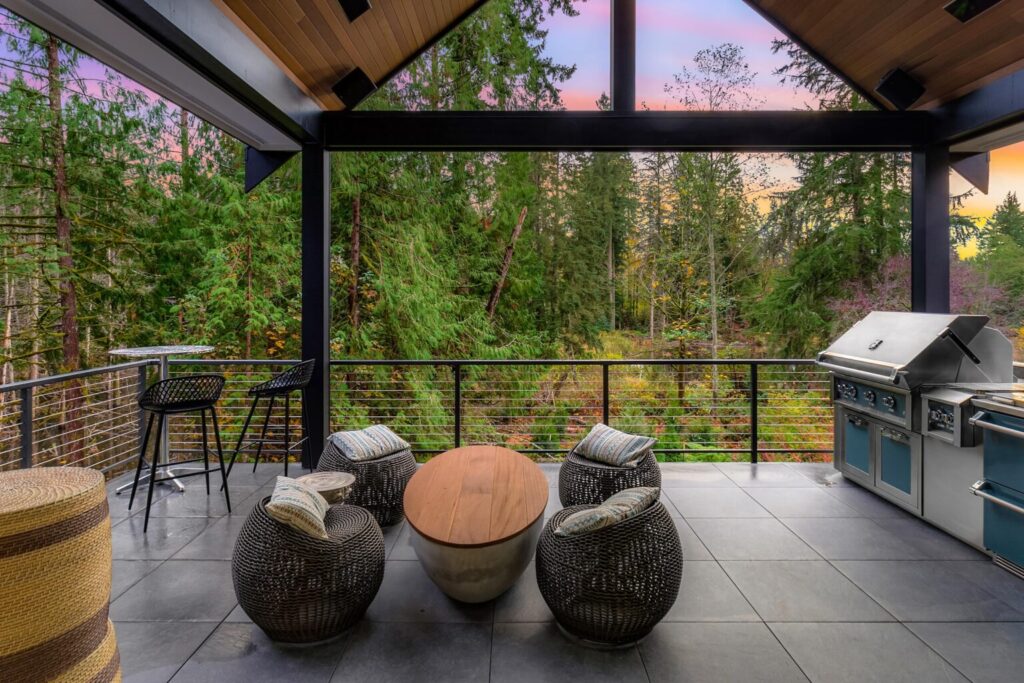
Despite that shift, many outdoor spaces are still built with materials that quietly signal impermanence. Wood boards, composite planks, and other lightweight surfaces serve a practical role, but they rarely convey the sense of longevity that buyers and homeowners increasingly expect. When the materials suggest replacement cycles instead of durability, the entire space can feel less integrated with the home.
Why Material Signals Matter
Architecture communicates through materials. Stone, brick, and concrete historically signal permanence because they are associated with structures meant to last for decades. Those materials carry visual weight and stability, which changes how people perceive a space even before they consciously evaluate it.
Decking materials, by contrast, have long been tied to maintenance cycles. Staining, weathering, fading, and replacement are part of the expected life of traditional deck surfaces. Even modern composite options, while designed to reduce maintenance, still follow the same visual pattern of narrow boards that subtly communicate a shorter lifespan.
When a material suggests impermanence, the surrounding design often inherits that message. An outdoor space that might otherwise feel architectural begins to feel more like an accessory attached to the home.
The Elevation Problem
One reason this pattern has persisted is structural practicality. Patios allow homeowners to use substantial materials like stone or pavers, but they generally require ground-level installation. Decks solve the problem of elevation, making outdoor living possible above grade or on uneven terrain.
That division has shaped how outdoor spaces are built. Homeowners typically choose between a patio that feels permanent and a deck that solves the structural challenge of elevation. The result is a compromise where elevated spaces often rely on materials that do not match the permanence of the home itself.
Designing for Longevity
Modern outdoor design increasingly challenges that compromise. Architects, builders, and homeowners are placing greater emphasis on spaces that feel intentional and lasting rather than temporary or replaceable. That shift encourages designers to rethink the relationship between the structure that supports a space and the materials that define it.
When the structural framing of a deck is paired with a surface made from stone, porcelain tile, or concrete pavers, the character of the space changes dramatically. The elevation remains practical, but the visual language shifts toward permanence. The outdoor area begins to feel less like a deck and more like an architectural terrace.
A Shift in Expectations
As outdoor living continues to grow in importance, the expectations surrounding those spaces are changing as well. Homeowners and buyers increasingly look for outdoor areas that feel as finished and substantial as the interiors they connect to. Materials that communicate longevity help reinforce that sense of continuity between indoor and outdoor environments.
Materials that communicate longevity help reinforce that sense of continuity between indoor and outdoor environments. Designing for permanence does not require abandoning the structural advantages of deck construction. It simply requires reconsidering the materials that shape the experience of the space. When those materials reflect durability and intention, the entire outdoor environment feels more complete and more aligned with the architecture of the home.