Stop Rebuilding the Same Deck Over and Over
Most deck replacements follow the same pattern. The boards start to crack. A few spots feel soft. Maybe you notice splintering or rot near the stairs. After a few seasons of staining and sealing, you decide it’s time.
So you tear it down and rebuild. But here’s the real question: are you rebuilding because the structure failed, or because the surface wore out? Those are two very different problems. And they deserve two very different solutions.
The Surface Is Usually the First Thing to Go
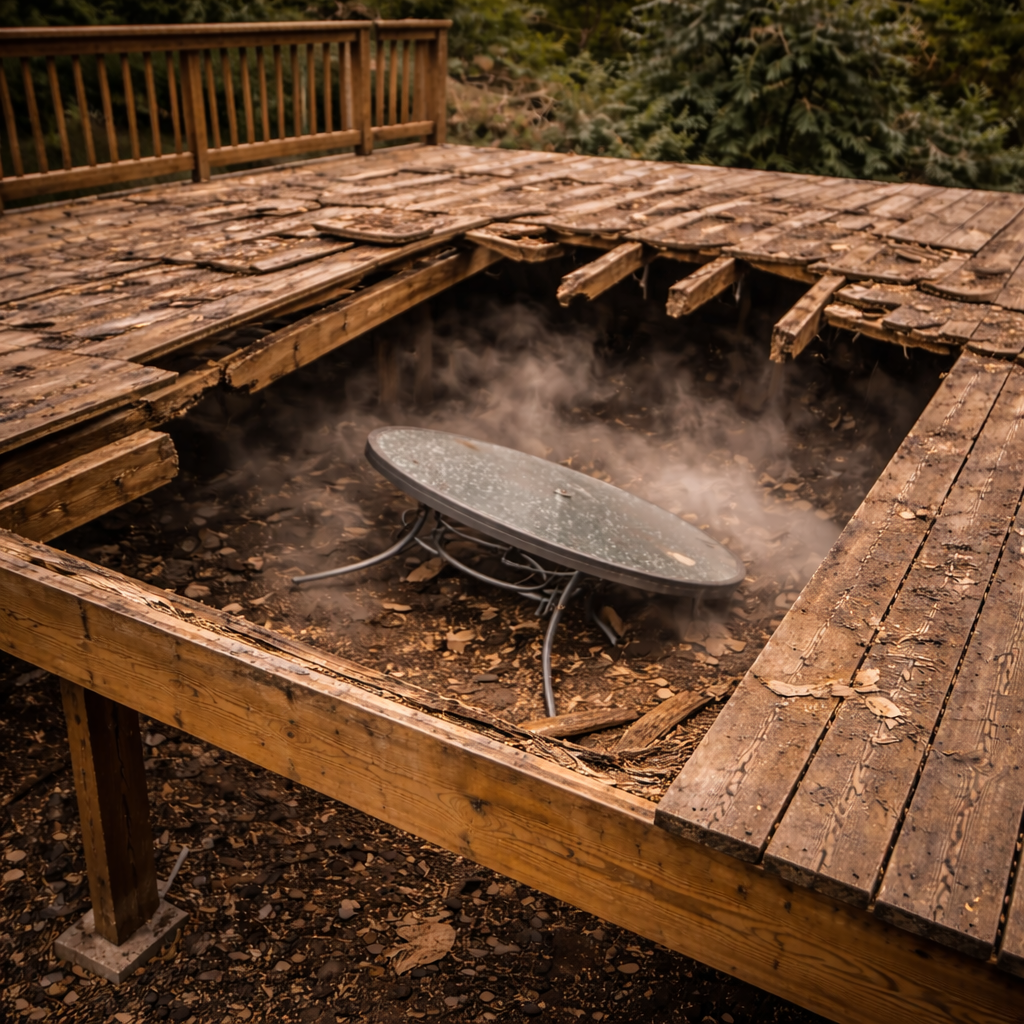
The tops of wooden decks have it rough. they sit fully exposed to sun, moisture, temperature swings, grills, planters, and daily foot traffic. Over time, they warp, split, and deteriorate.
The framing underneath often gets the better end of the deal. Pressure-treated joists and beams can remain structurally sound long after the surface boards have reached the end of their life.
Yet most homeowners never separate those two ideas. If the boards look bad, the entire deck gets blamed. That’s how people end up rebuilding the same type of deck every 12 to 15 years.
Replacing Wood with Wood Doesn’t Change the Outcome
When it’s time to replace an aging deck surface, many homeowners simply install new wood boards. Some upgrade to composite, hoping to reduce maintenance.
Composite lasts longer than wood and requires less upkeep. But it’s still a deck board system exposed to the same environmental forces. It expands and contracts. It heats up in direct sun. It eventually shows wear.
If you rebuild using the same category of material, you shouldn’t be surprised when you face a similar lifespan. At some point, it’s worth asking a different question: what if the problem isn’t the deck itself, but the type of surface we keep choosing?
There Is Another Way to Upgrade
If your deck framing is structurally sound, you may not need to demolish the entire structure. Instead of rebuilding in wood again, you can transform the surface completely.
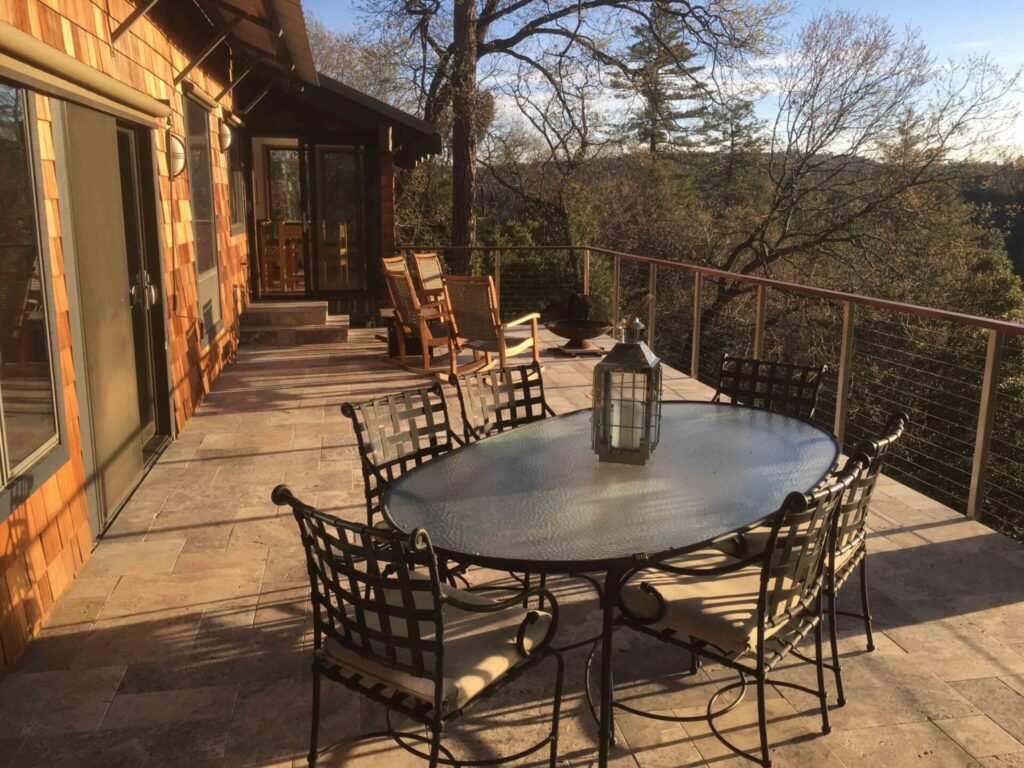
StoneDeks is a system that allows real stone, porcelain, or pavers to be installed over standard deck framing. That means you can remove aging wood boards and replace them with a true stone surface while keeping the underlying structure in place.
This is not a thin overlay or a cosmetic veneer. It is real stone installed using a system designed specifically for elevated decks. The result feels solid and architectural. It looks less like a traditional deck and more like an elevated patio.
Upgrade the Concept, Not Just the Material
When homeowners choose StoneDeks, they are not just switching from wood to another board. They are moving from a flexible decking surface to a permanent hardscape surface supported by framing.
That shift changes the long-term outlook. Stone does not splinter. It does not require staining. It does not fade in the same way wood does. And when properly installed, it is built to last significantly longer than traditional deck boards.
Of course, a professional inspection is critical. Joist spacing, ledger attachment, and load capacity must meet requirements. Not every frame will qualify. But if your structure is solid, you may be able to avoid full demolition and invest instead in a lasting upgrade.
Before You Rebuild, Reconsider
If your current deck is failing at the surface level, the easiest decision is to replace what you had with more of the same. The smarter decision may be to step back and rethink the surface entirely.
Instead of rebuilding the same deck again, you can upgrade to a real stone surface on the same trusty frame. That’s not just a replacement. It’s a reset on how long your deck is meant to last.