
Homeowners Are Looking for More Than Better Boards
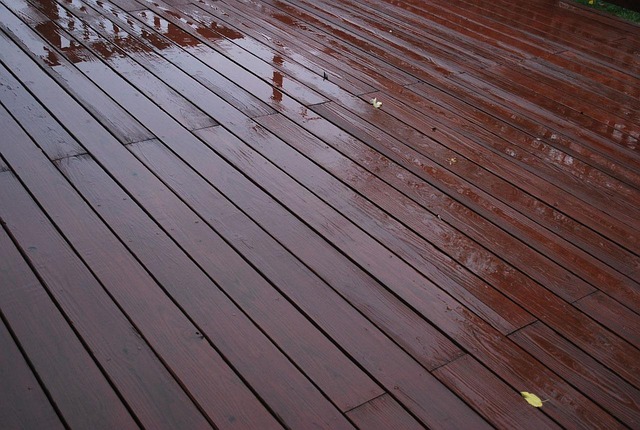
For years, the deck industry has focused heavily on improving deck boards. Wood gave way to composite, composite became more durable, colors became more refined, and manufacturers added better textures and finishes. From a product standpoint, the category evolved significantly; yet for many homeowners, the overall experience of the space still feels largely the same.
Even with upgraded materials, the finished project is often still perceived as a traditional deck rather than a fully integrated outdoor living environment. That distinction matters because homeowner expectations have changed.
Better Materials Do Not Always Create a Different Feeling
Composite decking solved many practical problems associated with wood. It reduced maintenance, improved consistency, and eliminated many of the long term frustrations homeowners dealt with in older deck systems. Those improvements helped move the category forward.
At the same time, the basic visual language of a deck remained mostly unchanged. Long horizontal boards, visible seams, and elevated framing still create the familiar appearance people associate with traditional deck construction.
For some projects, that is perfectly fine. Not every outdoor space needs to feel architectural or highly refined. But in higher end outdoor environments, homeowners often want something that feels more permanent and integrated with the home itself.
That is where surface materials start changing the conversation.
Outdoor Design Is Becoming More Architectural
Backyards are increasingly being designed the same way interior spaces are designed. Layout, material selection, and visual cohesion now play a much larger role in outdoor projects than they did years ago. Homeowners are not simply adding square footage outside. They are creating spaces intended for entertaining, relaxing, dining, and everyday living.
Research from Houzz supports this shift. More than one third of homeowners renovating outdoor areas say they are doing so specifically to extend their living space.
As those expectations rise, the materials used in outdoor construction begin to matter differently. Homeowners start gravitating toward surfaces that visually connect with patios, kitchens, masonry features, and interior finishes.
The Surface Changes the Perception
A deck framed with joists and beams can still feel completely different depending on the surface installed over it. That is an important shift builders are starting to recognize. The structure may still function like a deck, but the finished surface influences how the space is experienced emotionally and visually.
Stone, porcelain, and large format pavers tend to create a heavier, more permanent appearance. The space starts feeling more like architecture and less like an attached platform. That does not mean composite is bad. It simply means the category has limits in how dramatically it can change the perception of the finished environment.
For homeowners trying to create a backyard that feels elevated, cohesive, and lasting, the finish material often becomes the deciding factor.
Why This Matters for Builders
Builders who understand this shift are often able to position projects differently. Instead of competing strictly on board colors or railing packages, they can start discussing permanence, design continuity, and the overall experience of the outdoor space.
That changes the sales conversation. The project becomes less about choosing between decking samples and more about creating a backyard that feels intentionally designed. In many cases, homeowners are willing to invest more when they understand that difference.
This also allows builders to move into more premium project categories without abandoning the framing skills they already use every day.
The Industry Is Moving Beyond the Board
Composite decking will continue to have a large place in the market because it solves real problems and works well for many homeowners. But the broader outdoor living category is clearly evolving toward spaces that feel more refined, more architectural, and more permanent.
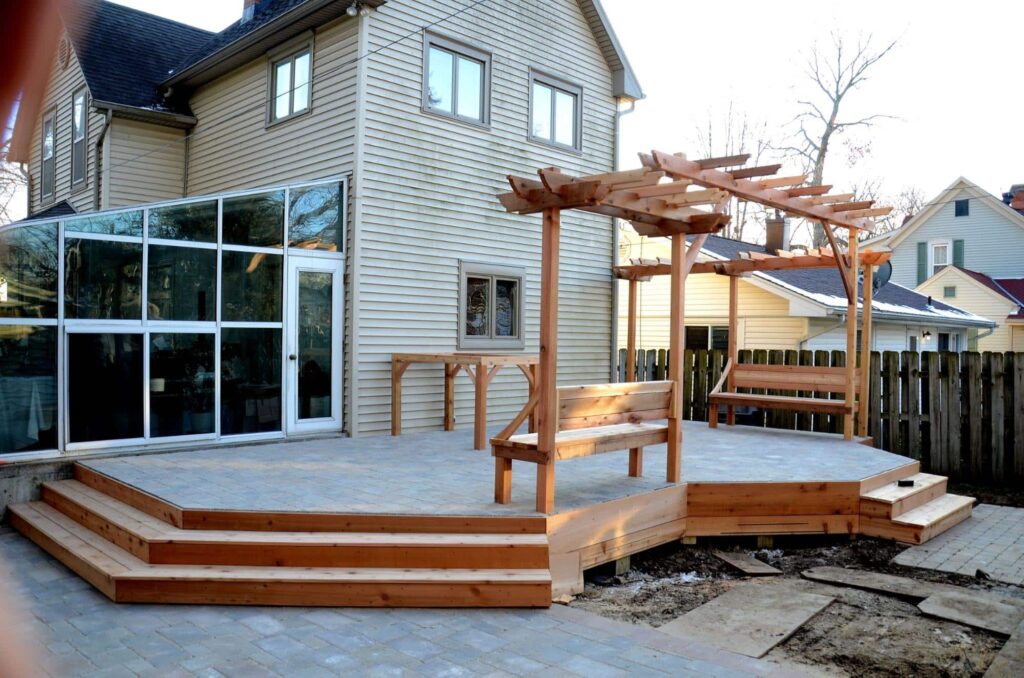
That evolution is not really about boards versus stone. It is about the overall feeling a finished outdoor space creates. Homeowners increasingly want spaces that feel connected to the home rather than separate from it.
As expectations continue to rise, builders who understand how materials influence perception will be in a much stronger position to deliver the kinds of outdoor environments homeowners are now looking for.
If you are exploring ways to create more refined and permanent outdoor spaces, we are ready to help. Visit our contact page and reach out to talk through your project, your ideas, or how stone surface systems fit into modern deck construction.