
The Disconnect You Can Feel But Not Always Explain
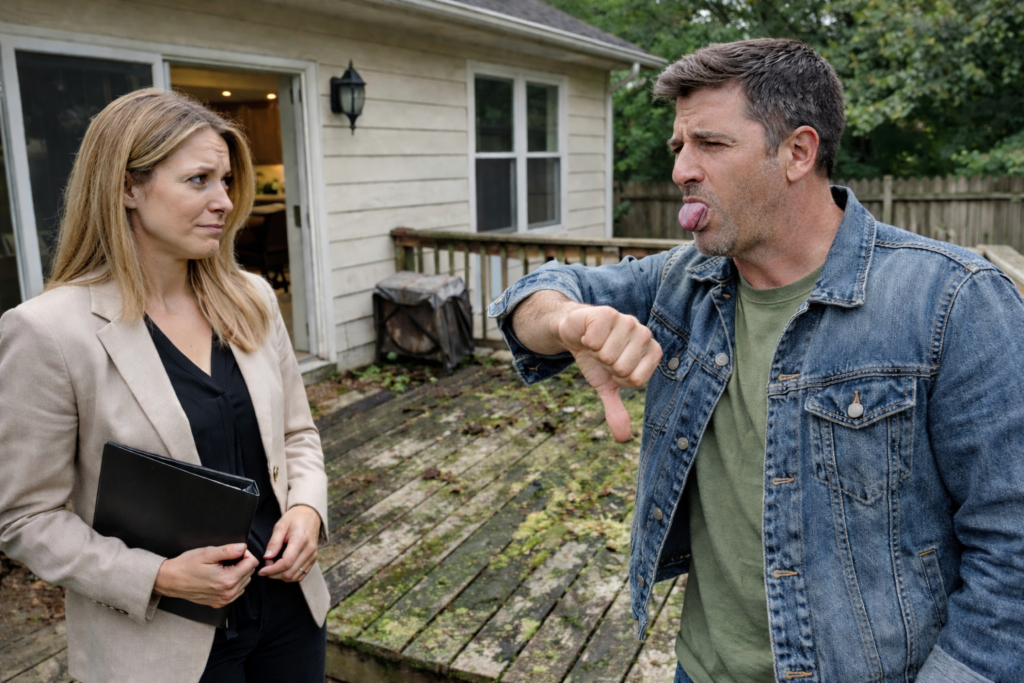
Walk into most backyards and something feels slightly off, even if everything is technically well built. The house looks clean and intentional, while the deck feels like a separate piece that was added later. It may not be obvious at first, but the two elements are not working together.
This disconnect is common because decks are often treated as functional structures instead of design elements. The result is a space that competes for attention rather than supporting the overall look of the home.
Mismatched Materials Create Visual Tension
One of the biggest reasons decks feel disconnected is material choice. Homes are often built with materials that carry visual weight, such as brick, stone, or carefully selected siding. Decks, on the other hand, are usually made from wood or composite boards that have a completely different texture and appearance.
This contrast creates tension. Instead of the deck blending into the architecture, it stands out as something separate. According to the U.S. Forest Service, wood exposed to the elements also changes color over time due to sun and moisture exposure, which can further increase the visual gap between the house and the deck.
Even if the deck looks good on its own, it can still feel out of place when it does not relate to the materials used on the home.
Design Is Often an Afterthought
Many decks are built based on size and structure first, with design coming later if it is considered at all. The focus tends to be on creating enough space for furniture or access to the yard, rather than how the deck aligns with the home’s architecture.
This is why decks often feel oversized, undersized, or awkwardly placed. The lines may not match the house, the proportions may feel off, and the overall layout can seem disconnected from the rest of the property.
When design is not part of the initial conversation, the final result rarely feels integrated.
Color Choices Can Make It Worse
Color is another factor that can cause a deck to compete with the house. Many homeowners either try to match the house exactly or choose a color that stands out too much. Both approaches can create problems.
Matching the house too closely can make the deck look flat and lifeless, while contrasting too sharply can make it feel like a separate feature altogether. Without a clear design strategy, color choices often amplify the disconnect rather than solve it.
The Surface Is Doing More Than You Think
The surface of the deck plays a larger role than most people realize. It is the largest visible plane in the outdoor space, which means it naturally draws attention. When that surface looks temporary or out of sync with the home, it becomes the focal point for the wrong reasons.
This is why simply updating railings or furniture rarely fixes the problem. If the surface itself feels disconnected, the entire space will continue to feel that way no matter what is added on top of it.
A More Cohesive Approach Starts With the Surface
Homeowners who want their deck to feel like part of the house often start by rethinking the surface material. Stone and porcelain surfaces tend to align more naturally with architectural materials, which helps the deck feel grounded and intentional rather than added on.

Systems like StoneDeks make it possible to install these materials over standard deck framing. Instead of working around the limitations of traditional decking, the surface becomes an extension of the home’s design language.
If your deck feels like it is competing with your house instead of complementing it, it may be time to take a different approach. Visit our contact page to schedule a free consultation, and we will help you evaluate your space, explore better material options, and find a solution that brings your deck and home into alignment.