
It’s Not Your Imagination
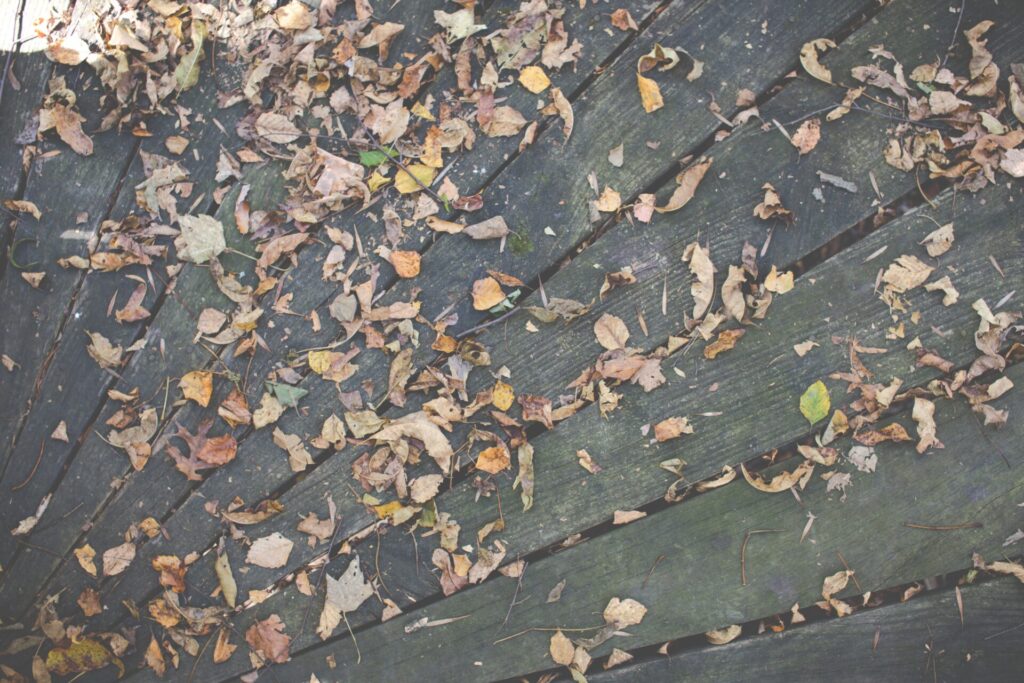
Most homeowners don’t notice deck problems right away. Instead, it begins with a small change in how the surface feels when you walk across it. Certain areas may feel slightly softer than others, or you might notice a bit of give under your feet in spots that used to feel solid. At first, it is easy to ignore. The deck still looks mostly intact, and the softness may only show up in a few boards. Over time, however, that feeling tends to spread. What starts as one soft area can turn into multiple sections that feel weak, uneven, and less stable.
Moisture Is Breaking Down the Wood
Soft deck boards are almost always the result of moisture working its way into the wood over time. Even treated lumber is not immune to this. Water enters through small cracks, fastener holes, and exposed grain, especially as boards age and protective coatings wear away.
Once moisture gets inside, it begins to break down the wood fibers from within. The board may still look relatively normal from the surface, but internally it is losing strength. According to the U.S. Forest Service, prolonged exposure to moisture can lead to decay that weakens wood structure even before visible damage becomes severe.¹
That internal breakdown is what creates the soft, spongy feeling underfoot.
Surface Wear Makes the Problem Worse
As deck boards age, they begin to crack, split, and roughen. These surface imperfections allow even more moisture to enter the wood, accelerating the deterioration process. Areas that receive more foot traffic or direct exposure to rain tend to wear faster, which is why softness often appears in specific zones before spreading.
Refinishing or sealing the deck can slow this process temporarily, but it does not reverse the damage that has already occurred inside the boards. Once the fibers begin to break down, the structural integrity of the board continues to decline.
Why Replacing a Few Boards Doesn’t Fix It
When homeowners notice soft spots, the typical response is to replace the affected boards. While that can improve the feel of the deck in the short term, it rarely solves the overall problem. If several boards have started to soften, it usually means the entire surface has been exposed to the same conditions for years.
Replacing a few boards often leads to more replacements later. The newer boards may feel solid, but the surrounding ones continue to age and weaken. Over time, the deck becomes a mix of old and new materials that still requires ongoing attention.
When Soft Boards Signal It’s Time to Upgrade
If your deck has multiple soft areas, it is usually a sign that the surface has reached the end of its useful life. At that point, continuing to repair individual boards often becomes a cycle rather than a solution.
Instead of replacing wood with more wood and restarting the same process, many homeowners choose to upgrade the surface entirely. StoneDeks allows real stone, porcelain, or pavers to be installed over deck framing, replacing soft, deteriorating boards with a solid, long-lasting surface.
This eliminates the issues that come with aging wood, including soft spots, splintering, and ongoing maintenance. The result is a deck that feels stable underfoot and is built for long-term performance.
Ready for a Surface That Feels Solid Again?
If your deck feels soft or uneven, it may be time to move beyond repairs and consider a more durable solution. Our team works with homeowners and contractors to evaluate deck surfaces and determine whether StoneDeks is the right fit.
Visit our contact page to get in touch. We’re ready to answer your questions and help you find a better path forward.