
Hardscaping Hack
Architects and designers often face a familiar constraint when planning elevated outdoor spaces. The project calls for a stone surface, but once the structure is evaluated the practical solution becomes wood or composite decking because a traditional masonry assembly requires a concrete slab.
Concrete slabs and conventional masonry systems remain essential parts of construction. They are durable, proven, and appropriate for many terraces, plazas, and ground supported surfaces. When a project can support the structural weight and construction sequencing of a slab, it is often the correct solution.
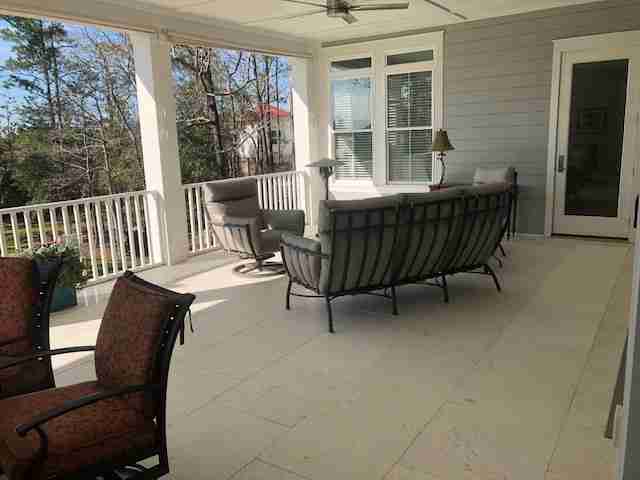
However, not every project benefits from a poured structural slab. Elevated residential decks, balconies, rooftop terraces, and light commercial outdoor spaces frequently rely on framed construction. In these cases, the design team may want the permanence and visual quality of stone without introducing the structural demands of concrete.
This is where a different approach to the deck assembly becomes useful.
Framing First, Surface Second
Most elevated outdoor spaces begin with conventional framing. Wood or steel joists support the platform and create the structural base for the walking surface.
Traditional deck construction finishes that platform with wood or composite boards. The system is simple and familiar, but it limits the finish materials that can be used.
Stone surfaces behave differently. Natural stone and porcelain require a rigid substrate that distributes loads across the framing and limits movement that could damage the finish.
The challenge is not the stone itself. The challenge is creating a structural layer that allows stone to perform properly over deck framing.
A Different Type of Deck Assembly
Instead of using decking boards as the finished surface, some projects use a structural panel system designed to support stone finishes.
In this type of assembly, the framing remains the primary structure. Panels installed over the joists create a load distributing surface that can support natural stone, porcelain, or pavers.
Once that structural substrate is in place, the finished surface behaves much more like a masonry terrace even though the structure below is framed like a deck.
The key advantage is that the project can achieve a true stone walking surface without requiring a poured concrete slab.
When This Approach Makes Sense
This approach is particularly useful for projects where weight, access, or construction sequencing make concrete less practical.
Examples include elevated residential decks, second story terraces, balconies, rooftop amenity areas, and courtyard spaces built over framed structures.
In these conditions, the ability to frame the structure like a deck while finishing the surface in stone can simplify both structural coordination and construction.
Concrete remains the right solution for many applications. The goal is not to replace it, but to provide another option when a framed structure is already part of the design.
Expanding Material Options for Elevated Spaces
Outdoor living areas are increasingly treated as extensions of the architecture rather than secondary spaces. Designers often want the exterior surface to match the material quality used elsewhere in the project.
A deck assembly that can support stone allows those material choices to extend into elevated areas that would traditionally be limited to wood or composite finishes.
For many projects, the result is a more cohesive design language and a more durable surface.
Let’s Talk About Your Project
Every project has different structural conditions and design priorities. If you are exploring options for an elevated terrace, balcony, or deck that calls for a stone surface, we would be glad to help evaluate whether this type of assembly makes sense.
StoneDeks offers free consultations to architects, designers, and builders who want to explore how a stone deck can be integrated into a framed structure.
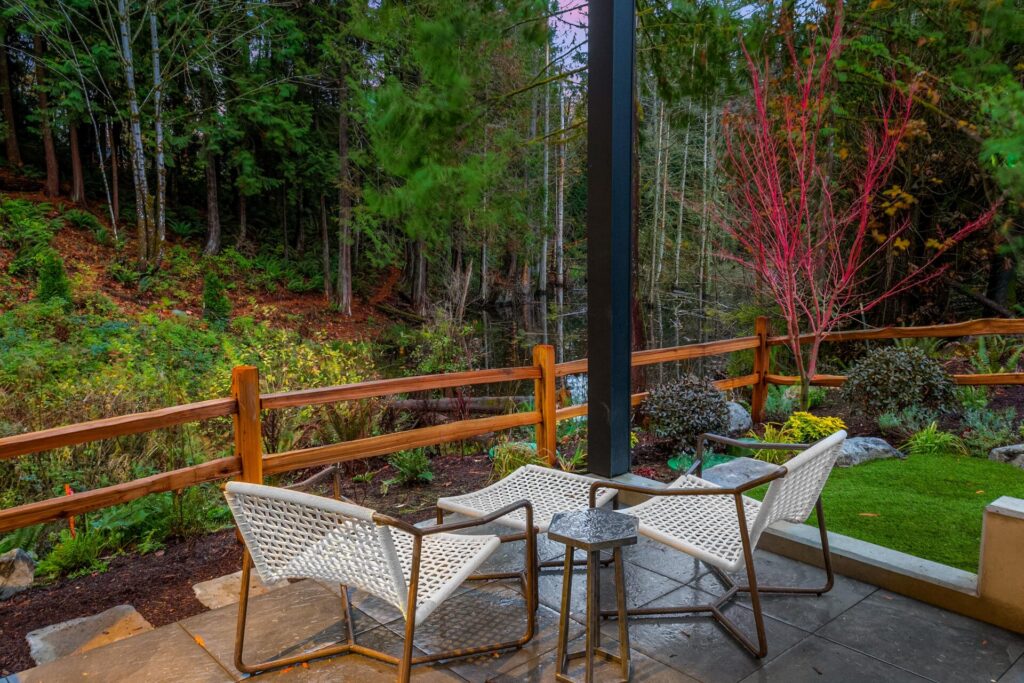
We offer services and training nationwide! This includes full installer training. If you can frame a deck, we can take you the rest of the way. We also offer free consultations to architects, designers, and builders exploring this type of assembly. If you have a current project that could benefit from this approach or you’d like more information on becoming an installer, let’s talk!